



What's Happening?
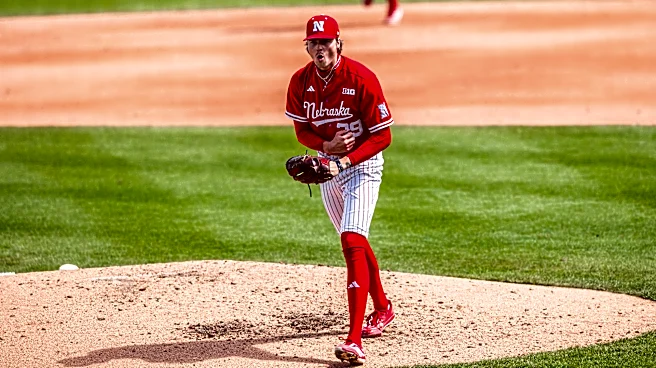
The College Sports Commission (CSC) recently won an arbitration case against Nebraska concerning Name, Image, and Likeness (NIL) deals for 18 Cornhuskers football players. The arbitration centered on approximately $7.5 million worth of NIL deals that
Nebraska believed complied with existing rules. However, the CSC determined these deals did not meet the required standards, a decision upheld by the arbitrator. The CSC, led by CEO Bryan Seeley, is responsible for enforcing NIL regulations, which include ensuring that deals are legitimate and not merely pay-for-play arrangements. Nebraska plans to resubmit the deals in hopes of approval, while the CSC remains cautious, aware that further legal challenges could arise, potentially involving Nebraska's Attorney General Mike Hilgers.
Why It's Important?
This arbitration outcome is significant as it highlights the ongoing complexities and legal challenges surrounding NIL deals in college sports. The CSC's role in regulating these deals is crucial to maintaining fair play and compliance with the rules. However, the decision also underscores potential legal vulnerabilities, as the CSC's actions could be challenged under antitrust laws. The outcome of this case could influence how other schools and states approach NIL deals, potentially leading to broader legal and regulatory changes in college athletics. The involvement of state attorneys general, like Nebraska's, could further complicate the landscape, especially if they decide to challenge the CSC's authority.
What's Next?
Nebraska officials are expected to resubmit the NIL deals for approval, hoping to secure the promised payments for their athletes. If these deals are denied again, it could prompt legal action from Nebraska's Attorney General, potentially challenging the CSC's regulatory framework. Such a challenge could lead to significant changes in how NIL deals are managed and enforced across the country. Additionally, the CSC may face increased scrutiny and pressure to adapt its policies to avoid further legal disputes. The outcome of this situation could set a precedent for other states and schools navigating the evolving NIL landscape.