







What's Happening?
Energy markets are experiencing increased complexity and volatility due to a combination of geopolitical tensions, policy responses, and capital shifts. The ongoing conflicts in the Middle East have led to rising oil prices, which are contributing to inflation
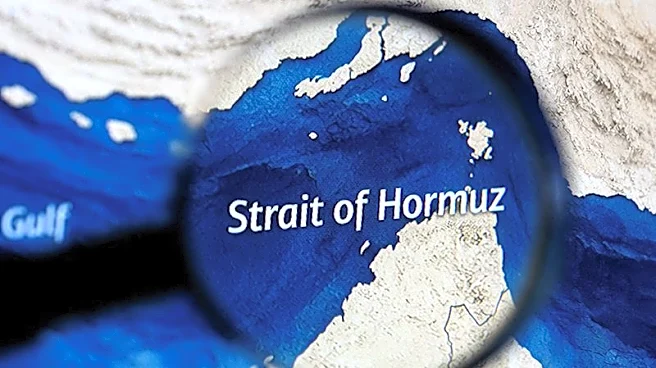
concerns and broader economic uncertainty. The market is reacting to multiple factors simultaneously, including disruptions in the Strait of Hormuz, which affects approximately 20% of global oil flows. Additionally, a UAE investment firm has acquired $2.25 billion in U.S. midstream gas assets, signaling a shift in capital towards reliable and secure energy supplies. In the U.S., energy policy continues to support domestic production and leasing activities, while geopolitical tensions and resource constraints are impacting global trade flows.
Why It's Important?
The current state of energy markets has significant implications for the global economy. Rising oil prices can lead to increased inflation, affecting everything from interest rates to stock market performance. The volatility in energy markets is not just a result of supply and demand fundamentals but is also driven by geopolitical and policy factors. This environment creates a structural shift in how energy markets operate, emphasizing the importance of supply control, infrastructure, and logistics. The acquisition of U.S. midstream assets by a UAE firm highlights the strategic move towards securing long-term energy supplies, reflecting a broader trend of prioritizing resilience over growth.
What's Next?
As energy markets continue to react to geopolitical developments and policy changes, stakeholders will need to navigate an increasingly complex landscape. Governments may implement further measures to protect domestic energy supplies, while companies might focus on securing reliable energy sources. The ongoing geopolitical tensions could lead to more disruptions in global trade flows, necessitating strategic adjustments by businesses and policymakers. The emphasis on infrastructure and logistics will likely grow, as these elements become crucial in managing the volatility and ensuring energy security.