



What's Happening?
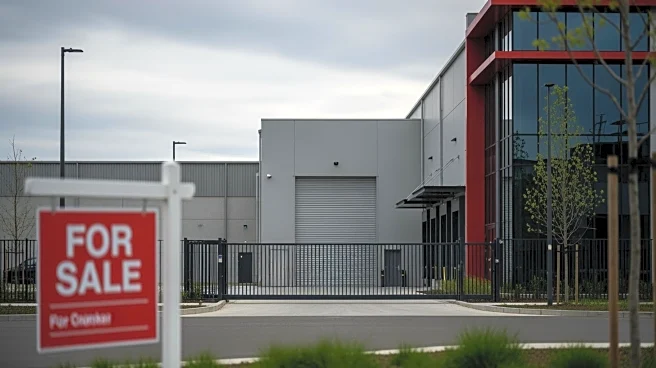
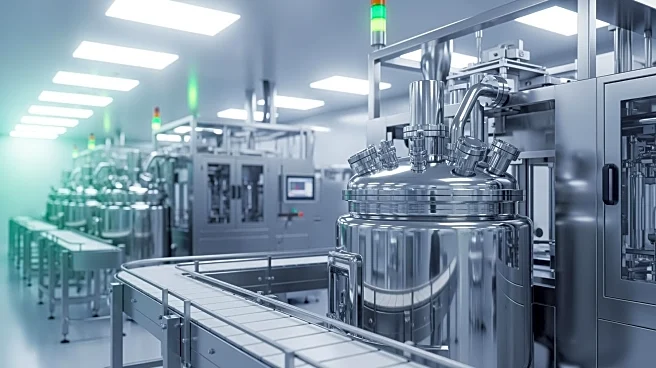
Becton, Dickinson and Company (BD), a major American medical device manufacturer, has announced a $110 million investment to expand its production facility in Columbus, Nebraska. This expansion aims to increase the production of prefillable syringes used in biologic drugs, including GLP-1 weight loss medications such as Ozempic and Wegovy. The investment is expected to create approximately 120 new jobs. This move is part of a broader strategy to restore pharmaceutical manufacturing and improve domestic supply chains, a priority highlighted by the Trump administration due to vulnerabilities exposed during the coronavirus pandemic. The expansion will include the establishment of the BD Neopak glass prefillable syringe platform and an increase in cannula
manufacturing at the facility.
Why It's Important?
The expansion of BD's facility in Nebraska is significant for several reasons. It aligns with national efforts to strengthen domestic manufacturing capabilities, particularly in the pharmaceutical sector, which has been under scrutiny for its reliance on international supply chains. By localizing production, BD aims to enhance the reliability and speed of drug delivery systems, which is crucial as demand for biologic drugs and GLP-1 medications continues to rise. This investment not only supports U.S. manufacturing but also contributes to economic growth in Nebraska by creating new jobs and reinforcing the state's role in the pharmaceutical supply chain. The move underscores the importance of domestic production in ensuring supply chain resilience and meeting increasing healthcare demands.
What's Next?
BD plans to commence production of the BD Neopak glass prefillable syringe platform at the Columbus site by mid-year. The company will also expand cannula manufacturing, further solidifying its manufacturing footprint in the U.S. As the demand for biologics and GLP-1 medications grows, BD's investment is expected to support innovation in drug delivery systems and enhance supply chain resilience. Stakeholders, including Nebraska's political leaders, have expressed support for the expansion, highlighting its potential economic benefits. The development may prompt other pharmaceutical companies to consider similar investments in domestic manufacturing, contributing to a broader trend of reshoring production to the United States.