
What's Happening?
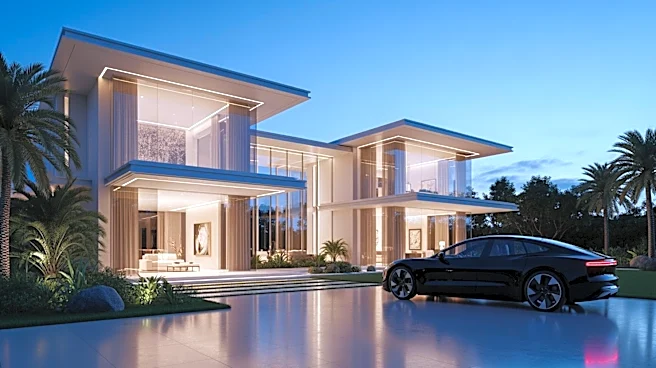
The Armani/Casa hotel product lines have evolved from niche luxury offerings to a broader financial tool, leveraging the brand's reputation to accelerate cash flow and absorption. These branded residential
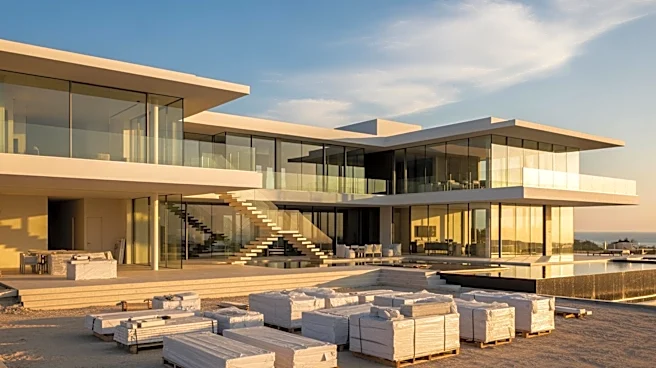
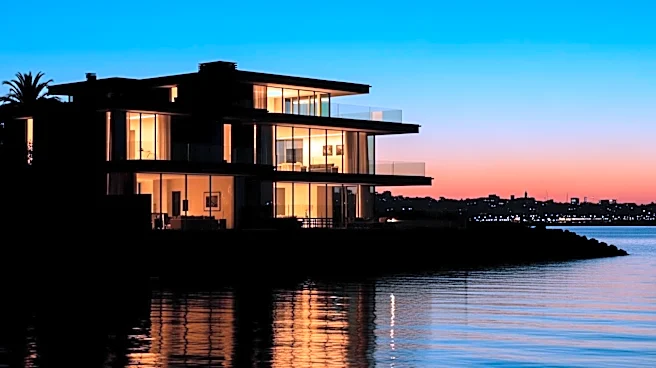
projects are designed to attract international buyers by providing a sense of security and prestige associated with the Armani brand. The model has expanded beyond luxury hospitality to include fashion, automotive, technology, lifestyle, and wellness brands, each monetizing their established consumer lifestyle. This expansion is evident in the hundreds of global projects and significant presence in cities like Dubai and Miami, which serve as testing grounds for these ambitious projects.
Why It's Important?
The shift of branded residential projects from a luxury niche to a financial strategy highlights a significant trend in real estate development. By incorporating well-known brands, developers can enhance the appeal and perceived value of their projects, leading to faster sales and higher prices. This approach not only benefits developers by improving cash flow and reducing financial risk but also provides buyers with a sense of security and prestige. The success of this model in cities like Dubai and Miami suggests a growing acceptance and demand for branded residential properties, which could influence real estate markets globally.
What's Next?
As branded residential projects continue to mature, developers and brands will likely explore new markets and refine their strategies to maximize returns. The focus may shift towards refurbishment and repositioning of existing properties, given the rising construction costs. Additionally, the geopolitical climate and economic conditions will play a crucial role in determining the feasibility and success of future projects. Developers will need to conduct rigorous feasibility studies to ensure that the chosen brand aligns with the target market and offers a genuine premium in terms of pricing and absorption.
Beyond the Headlines
The expansion of branded residential projects raises questions about the long-term sustainability and impact on local real estate markets. While these projects can drive economic growth and attract international investment, they may also contribute to rising property prices and gentrification. Furthermore, the reliance on brand reputation poses risks if consumer perceptions shift or if the brand fails to deliver on its promises. As the market becomes more sophisticated, stakeholders will need to navigate these challenges carefully to ensure the continued success and viability of branded residential developments.