






What's Happening?
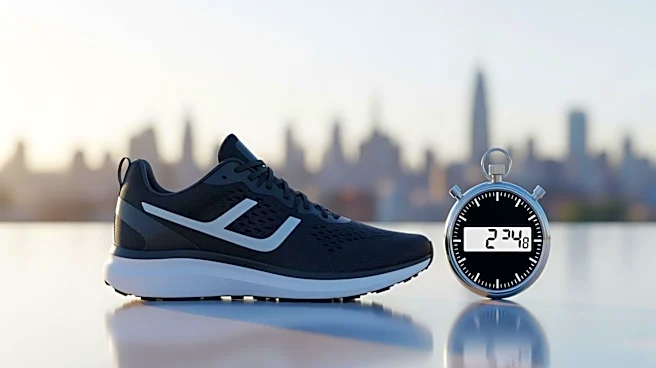
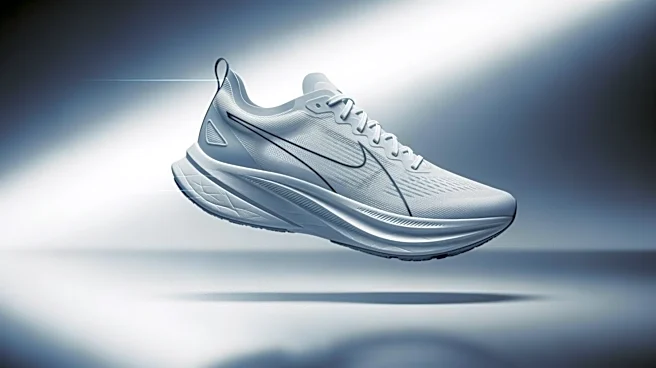
Adidas has introduced a groundbreaking running shoe, the Adizero Adios Pro Evo 3, which played a pivotal role in setting new records at the London Marathon 2026. Kenyan runner Sabastian Sawe and Ethiopian runner Yomif Kejelcha both broke the sub-2-hour
marathon barrier, with Sawe setting a new world record of 1:59.30 and Kejelcha finishing at 1:59.41. In the women's race, Tigist Assefa set a new women's world record with a time of 2:15.41. The shoe, which debuted at the marathon, is noted for its lightweight design, weighing just 97 grams for a men's size 9.5, and features a new Lightstrike Pro Evo foam compound that enhances running economy by 1.6 percent. This innovation reflects Adidas' commitment to pushing the boundaries of athletic performance.
Why It's Important?
The success of the Adidas Adizero Adios Pro Evo 3 at the London Marathon underscores the significant impact of technological advancements in sports footwear on athletic performance. By enabling athletes to achieve unprecedented times, this shoe not only elevates the competitive landscape of marathon running but also sets a new standard for future innovations in sports gear. The achievements of Sawe, Kejelcha, and Assefa highlight the potential for technology to redefine human limits in sports, offering a competitive edge that could influence training and performance strategies across the industry. This development is likely to spur further research and investment in sports technology, benefiting athletes and manufacturers alike.
What's Next?
Following the record-breaking performances at the London Marathon, Adidas is expected to capitalize on the success of the Adizero Adios Pro Evo 3 by expanding its availability and possibly developing further iterations of the shoe. The achievements may prompt other sportswear companies to accelerate their own innovation efforts to remain competitive. Additionally, the records set by Sawe, Kejelcha, and Assefa could inspire a new generation of runners to pursue similar feats, potentially leading to increased participation in marathons and other long-distance events. The broader sports community will likely watch closely to see how these advancements influence future competitions and athlete training regimens.