





What's Happening?
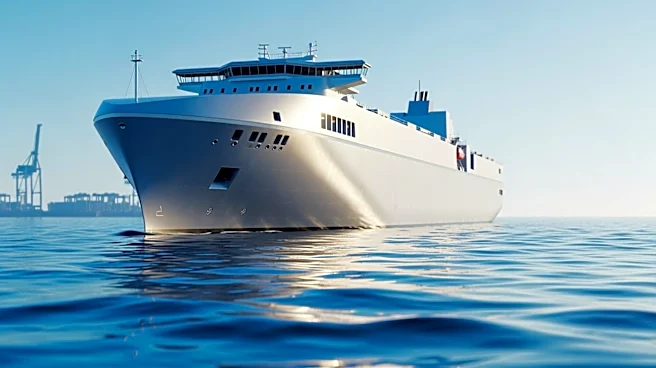
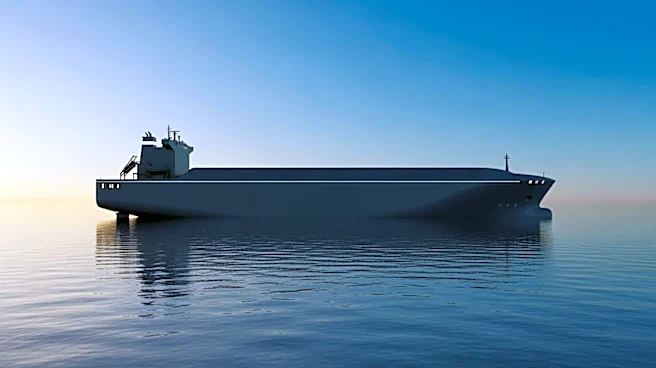
Anemoi Marine Technologies, in collaboration with Guangzhou Shipyard International (GSI) and tanker operator Hafnia, has successfully completed a joint development project to integrate Rotor Sail wind propulsion systems on medium-range (MR) tankers. The
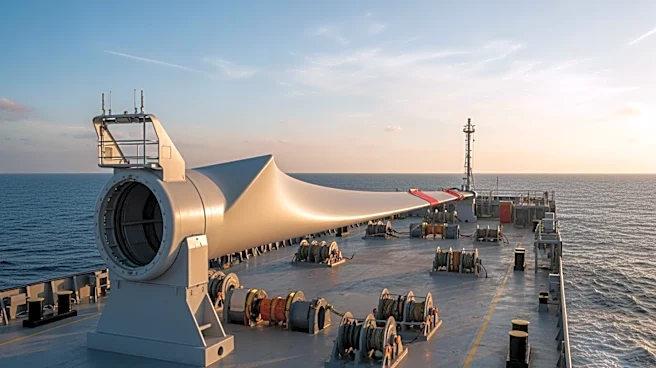
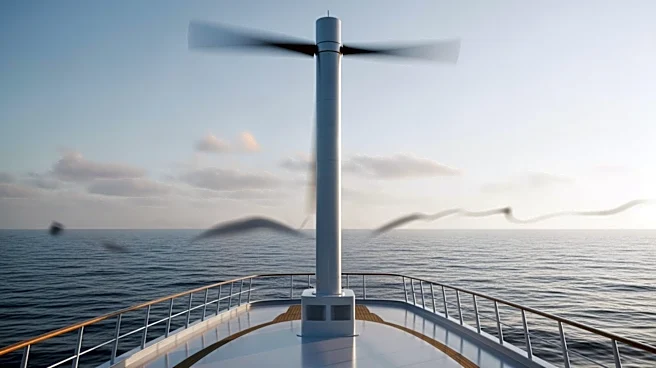
project has received Approval in Principle (AiP) from the classification society DNV. This approval marks a significant milestone in the maritime industry, providing a verified design basis for the installation of wind-assisted propulsion systems on product tankers. The design incorporates two folding, explosion-rated Rotor Sails, which are 5 by 35 meters in size, and are tailored to meet safety requirements for hazardous areas on tanker decks. The project also developed a lightweight deck seat that facilitates inspection and maintenance without the need for underdeck strengthening.
Why It's Important?
The approval of this wind propulsion design is a crucial development for the maritime industry, particularly in the context of increasing regulatory pressure to reduce carbon emissions. By integrating wind-assisted propulsion systems, MR tankers can potentially achieve significant energy efficiency improvements, aligning with the International Maritime Organization's Energy Efficiency Design Index (EEDI) and Energy Efficiency Existing Ship Index (EEXI) frameworks. This innovation offers shipowners a practical and verified pathway to adopt sustainable technologies, potentially reducing fuel consumption and emissions. The successful integration of these systems could set a precedent for other vessel segments, promoting broader adoption of renewable energy solutions in maritime transport.
What's Next?
Following the Approval in Principle, the next steps involve shipowners considering the adoption of this technology for their fleets. The successful demonstration of the Rotor Sail's integration on MR tankers could encourage further investment and development in wind-assisted propulsion systems. Stakeholders in the maritime industry, including shipbuilders and operators, may explore similar innovations to enhance energy efficiency and comply with environmental regulations. Additionally, regulatory bodies might consider further incentives or mandates to accelerate the adoption of such technologies, contributing to global decarbonization efforts.