


What's Happening?
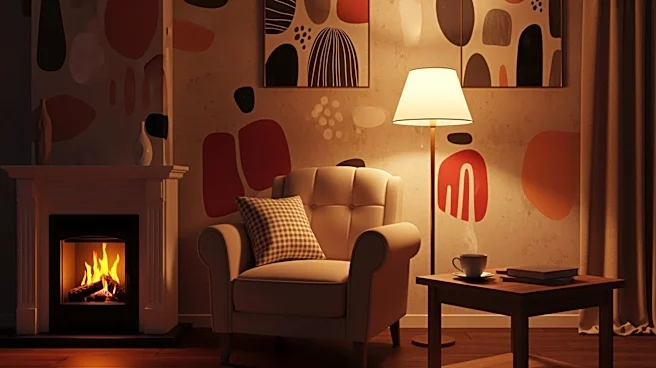
Hozy, a new cozy simulator game developed by Come On Studio and published by tinyBuild, has been released for PC. The game invites players to return to their hometown to restore an old house, offering a peaceful, stress-free experience without timers
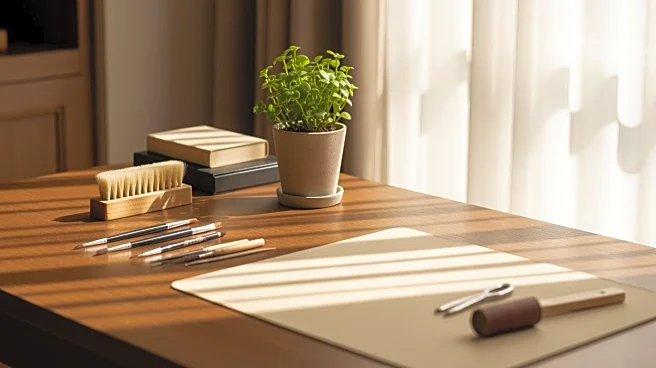
or precise tasks. Players can explore nine unique locations, each with its own story, and engage in physics-based cleaning and decorating. The game emphasizes creative freedom, allowing players to arrange furniture and decor with full rotation support. Hozy also features a photo mode and an original soundtrack, enhancing the immersive experience.
Why It's Important?
Hozy's release reflects a growing trend in the gaming industry towards relaxing, non-competitive games that prioritize creativity and personal expression. These types of games appeal to players seeking a break from high-stress environments, offering a therapeutic and calming experience. The emphasis on creative freedom and interactive gameplay aligns with broader consumer preferences for personalized and engaging digital experiences. Additionally, the game's focus on restoration and decoration may resonate with audiences interested in home improvement and design, expanding its appeal beyond traditional gaming demographics.
What's Next?
Following its release, Hozy may see updates and expansions based on player feedback and engagement. Developers might introduce new locations, tools, and decorative items to keep the gameplay fresh and engaging. The game's success could also inspire similar titles, contributing to the growth of the cozy game genre. As the gaming industry continues to diversify, developers may explore new themes and mechanics that cater to a wider range of player interests and preferences.
Beyond the Headlines
Hozy's emphasis on relaxation and creativity highlights the potential for games to serve as tools for mental well-being and stress relief. As digital entertainment becomes an integral part of daily life, games like Hozy offer a valuable escape from the pressures of modern living. The game's design and mechanics may also influence other industries, such as interior design and home improvement, by inspiring new approaches to creativity and personalization. Furthermore, the success of such games could encourage developers to explore innovative ways to integrate relaxation and mindfulness into digital experiences.