







What's Happening?
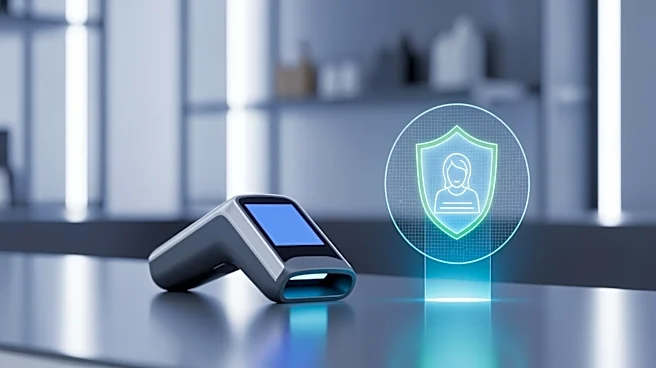
TruAge, a non-profit organization developed by the National Association of Convenience Stores (NACS), has introduced a new technology aimed at improving age verification processes in retail settings. This development comes as small business owners in consumer-facing
industries face challenges in complying with laws and regulations regarding technology use. The new system, developed in partnership with Conexxus and age-restricted supplier partners, uses encrypted digital tokens to verify a customer's age while protecting personal privacy. Unlike traditional ID scans that expose multiple personal data points, TruAge's system only uses four data elements—driver’s license number, issuing state, date of birth, and expiration date—converted into an encrypted token. This method minimizes human error, detects invalid IDs, and provides court-admissible proof of age without storing personal information.
Why It's Important?
The introduction of TruAge's technology is significant as it addresses the growing need for secure and efficient age verification in the retail industry, particularly for products like alcohol, tobacco, and cannabis. As fake IDs become more sophisticated, with 90% now having barcodes that pass basic scans, retailers face increased pressure to ensure compliance and prevent sales to minors. TruAge's system offers a solution that enhances security and privacy, potentially reducing legal liabilities for retailers. By integrating this technology into existing point-of-sale systems without additional costs, retailers can maintain compliance and protect customer data, which is crucial in an era where data is increasingly seen as currency.
What's Next?
As digital commerce continues to expand, the adoption of TruAge's technology could become more widespread, setting a new standard for age verification globally. Retailers may increasingly turn to such solutions to meet compliance requirements and protect against the risks associated with manual ID checks. The technology's ability to provide tamper-proof digital credentials could also influence future regulatory standards and practices in the retail industry. Stakeholders, including retailers and regulatory bodies, may need to collaborate to ensure the technology's effective implementation and address any emerging challenges.