



What's Happening?
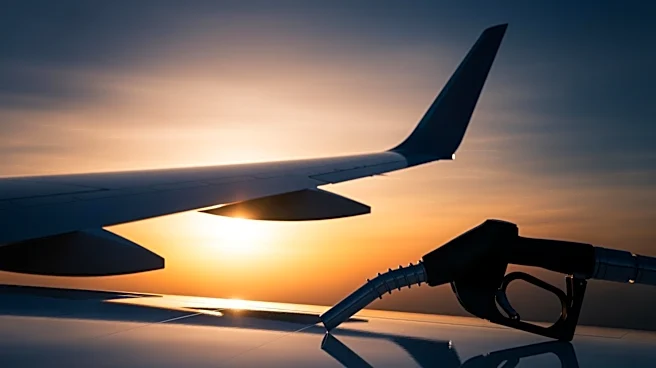
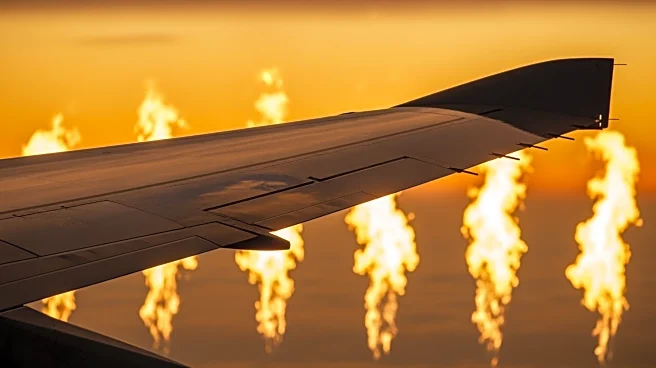
Jet fuel prices have surged significantly since the onset of the Iran conflict, leading to increased airfare costs. Data from S&P Global Platts indicates that jet fuel prices have risen faster than oil prices, with key benchmarks showing increases of 120%
and 82% respectively. This has created a challenging environment for airlines, particularly U.S. carriers that do not hedge against fuel price volatility. Airlines like Delta and United are implementing measures to offset these costs, including raising baggage fees and considering fare increases.
Why It's Important?
The rise in jet fuel prices poses a substantial risk to the aviation industry, impacting both operational costs and consumer prices. As fuel is a major expense for airlines, the lack of hedging strategies among U.S. carriers makes them more vulnerable to price fluctuations. This situation could lead to higher travel costs for consumers and potential reductions in airline profitability. The geopolitical tensions contributing to these price increases also highlight the interconnectedness of global markets and the potential for widespread economic impact.
What's Next?
Airlines may continue to adjust their pricing strategies and operational plans in response to ongoing fuel price volatility. This could include further fare increases, route adjustments, and cost-cutting measures. The industry will likely advocate for policy measures to stabilize fuel prices and mitigate the impact on travel demand. Additionally, consumer behavior may shift as travelers seek more affordable options or alter travel plans in response to rising costs.