



What's Happening?
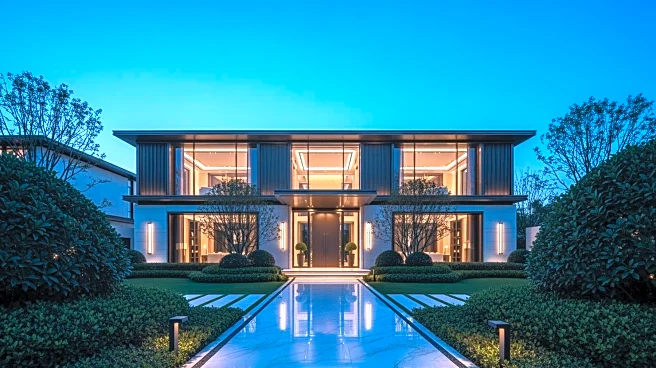
The U.S. luxury housing market is experiencing a stabilization in pricing as 2026 begins, with a notable shift in the definition of luxury across different regions. According to Realtor.com's January Luxury Housing Report, the national entry-level luxury price remains steady at $1.19 million, with the 90th-percentile luxury threshold showing minimal change from the previous year. The report highlights a distinction between legacy markets, such as San Francisco and San Jose, where luxury homes are typically older, and emerging markets like Heber, Utah, and Boise, Idaho, where new construction dominates. In established coastal metros, luxury is defined by mature neighborhoods and historical architecture, while in the Mountain West and Sun Belt,
luxury is characterized by modern layouts and expansive estates. This trend reflects a shift in buyer preferences towards newness and lifestyle amenities.
Why It's Important?
The evolving definition of luxury in the U.S. housing market has significant implications for buyers and sellers. In legacy markets, the scarcity of new construction means that luxury homes retain their value due to their location and historical significance. Conversely, emerging markets offer buyers modern amenities and larger spaces, appealing to those who prioritize contemporary design over traditional prestige. This shift could influence investment strategies, as buyers may seek opportunities in newer markets that offer growth potential. Additionally, the stabilization of luxury prices suggests a potential cooling of the market, which could impact real estate professionals and investors who rely on high turnover rates in luxury properties.