

What's Happening?
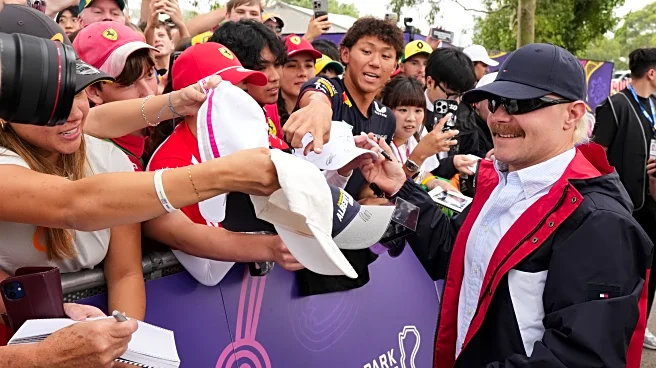
Aston Martin's Formula 1 team encountered significant challenges during the first practice session of the 2026 Australian Grand Prix. Fernando Alonso was unable to participate due to a suspected power unit issue, while teammate Lance Stroll managed only
a few laps. The team has been struggling with severe vibration problems that have affected the reliability of their cars and caused physical discomfort for the drivers. Honda, the team's engine supplier, is working on emergency measures to address these issues, but the problems persisted as the Melbourne weekend began.
Why It's Important?
The ongoing technical difficulties faced by Aston Martin could have significant implications for their performance in the 2026 Formula 1 season. The reliability issues not only impact the team's competitiveness but also pose potential health risks to the drivers due to the physical strain caused by vibrations. This situation highlights the challenges of integrating new power unit technologies and the importance of resolving technical issues promptly to maintain competitive standing in the sport. The team's struggles may affect their ability to secure points and sponsorships, impacting their financial and strategic position in the highly competitive Formula 1 landscape.
What's Next?
Aston Martin and Honda are expected to continue working on solutions to the power unit and vibration issues. The team will likely focus on improving reliability and performance to ensure better results in upcoming races. The situation may prompt discussions within the team and with Honda regarding potential design changes or strategic adjustments. Stakeholders, including sponsors and fans, will be closely monitoring the team's progress and response to these challenges.
Beyond the Headlines
The technical issues faced by Aston Martin could lead to broader discussions about the engineering challenges in Formula 1, particularly concerning the integration of new power unit technologies. The situation may also raise questions about driver safety and the physical demands of racing under such conditions. Long-term, this could influence regulatory discussions or technological advancements aimed at improving reliability and safety in the sport.