



What's Happening?
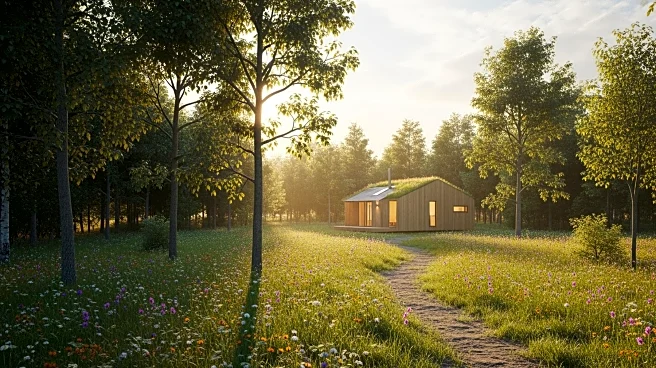
Airbnb is leveraging the growing interest in nature-based stays to drive economic development in rural areas. At the ITB 2026 event, Nathan Blecharczyk, Co-founder and Chief Strategy Officer at Airbnb, discussed how this trend is not only a travel phenomenon
but also a significant contributor to local economies. The demand for nature tourism is creating job opportunities and providing flexible income sources for families in rural regions. Airbnb's strategy includes using artificial intelligence to enhance travel discovery, personalization, and safety, which supports both hosts and travelers. The platform aims to revitalize communities with limited accommodation infrastructure and strengthen local businesses by dispersing tourism beyond traditional hotspots.
Why It's Important?
The shift towards nature-based tourism represents a significant opportunity for economic growth in rural areas. By attracting travelers to less-visited regions, Airbnb is helping to distribute tourism benefits more evenly, reducing the pressure on urban centers and popular tourist destinations. This approach not only supports local economies but also promotes sustainable tourism practices. The integration of AI into Airbnb's platform enhances user experience and trust, which is crucial for maintaining the platform's growth and success. As rural communities gain from increased tourism, they can invest in infrastructure and services, further boosting their economic resilience.
What's Next?
Airbnb's continued focus on nature-based tourism and AI-driven innovation is likely to influence the broader travel industry. As the company refines its platform to better serve both hosts and guests, other travel and accommodation providers may adopt similar strategies to remain competitive. The success of Airbnb's initiatives could lead to increased regulatory scrutiny as governments seek to balance tourism growth with community impacts. Additionally, the emphasis on sustainable tourism may encourage more travelers to seek eco-friendly options, prompting further innovation in the sector.