




What's Happening?
The global agriculture sensors market is anticipated to grow significantly, reaching an estimated value of $4.1 billion by 2033, according to DataM Intelligence. This growth is driven by a compound annual growth rate (CAGR) of 13.5% from 2026 to 2033.
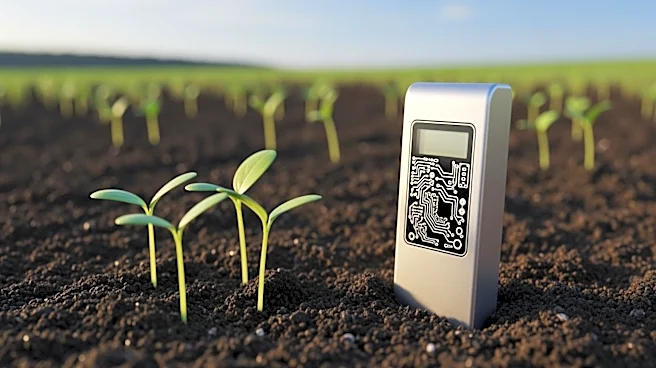
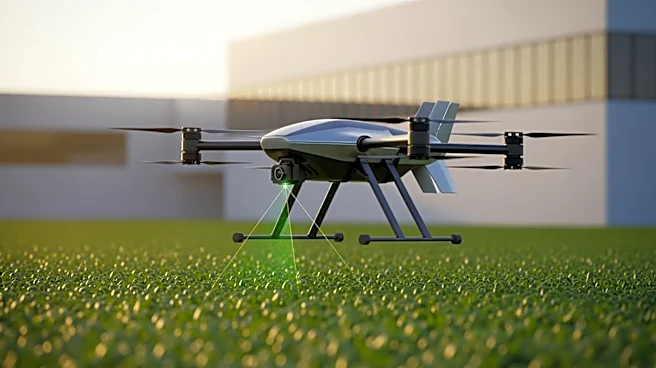
Agriculture sensors, which monitor various environmental and crop conditions, are becoming integral to precision farming. These sensors provide real-time data on soil conditions, weather, crop health, and livestock metrics, enabling farmers to optimize resource use, increase yields, and reduce environmental impact. The market is seeing increased adoption due to factors such as climate variability, water scarcity, and the need for sustainable farming practices. North America currently leads the market due to advanced infrastructure and high technology adoption, while Asia-Pacific is expected to experience the fastest growth due to government initiatives and modernization efforts.
Why It's Important?
The expansion of the agriculture sensors market is crucial for addressing global challenges in food production and sustainability. As the global population grows, the demand for efficient and sustainable agricultural practices becomes more pressing. Agriculture sensors enable farmers to make data-driven decisions, improving crop yields and reducing resource wastage. This technological advancement supports efforts to combat climate change by promoting sustainable farming practices and reducing the carbon footprint of agriculture. Additionally, the growth of this market presents significant opportunities for technology providers and investors, as the demand for innovative agricultural solutions continues to rise.
What's Next?
The agriculture sensors market is poised for further innovation and integration with emerging technologies. Future developments may include more affordable and intelligent sensors, enhanced integration with autonomous farming systems, and expanded use of AI and IoT technologies. These advancements are expected to drive mass adoption of agriculture sensors, particularly in emerging markets where connectivity and digital literacy are improving. As the market evolves, stakeholders will likely focus on overcoming challenges such as high upfront costs and the need for localized sensor calibration to ensure widespread adoption and effectiveness.
Beyond the Headlines
The growth of the agriculture sensors market also raises important considerations regarding data privacy and security. As farms become increasingly reliant on digital technologies, ensuring the protection of sensitive agricultural data will be paramount. Additionally, the shift towards data-driven farming may require new skill sets and training for farmers, highlighting the need for educational initiatives to support this transition. The integration of agriculture sensors into farming practices also has the potential to reshape rural economies, creating new job opportunities in technology and data management.