





What's Happening?
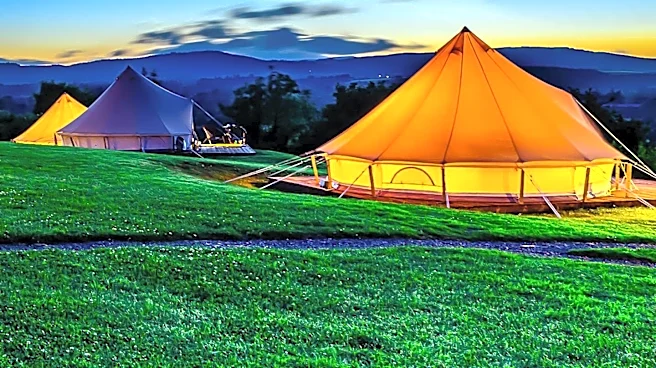
A bed and breakfast in Fredericksburg, Texas, is expanding its offerings to include a unique eco-glamping experience. This expansion is part of a broader effort to integrate private accommodations with ranch-style experiences, exotic animals, and AI-supported
guest operations. The property, located on a 31-acre ranch, aims to provide guests with a blend of luxury and nature, offering activities such as stargazing and winery tours. The initiative is supported by Avery Ridge Ranch, which focuses on ethical animal care and sustainable tourism practices. The ranch also features a Rhodesian Ridgeback program, adding a layer of sustainability by supporting animal care through diversified revenue streams.
Why It's Important?
This development highlights a growing trend in eco-conscious tourism, where travelers seek sustainable and immersive experiences. By combining luxury accommodations with environmental responsibility, the Fredericksburg BNB is tapping into a market of travelers who prioritize sustainability. This model not only enhances the local tourism industry but also supports rural economic viability by creating multiple income streams. The integration of AI and digital strategies further positions the property as a competitive player in the tourism market, offering a seamless and enriched guest experience.
What's Next?
The expansion is expected to attract a diverse range of visitors, from families to wine enthusiasts, looking for a unique travel experience. As the eco-glamping trend grows, other properties in the region may adopt similar models to remain competitive. The success of this initiative could lead to further developments in sustainable tourism practices, potentially influencing policy and investment in rural tourism infrastructure.
Beyond the Headlines
The eco-glamping model presents an opportunity to educate guests about sustainable practices and the importance of preserving natural landscapes. It also raises questions about the balance between tourism development and environmental conservation. As more properties adopt similar models, there may be increased scrutiny on the environmental impact of such developments and the ethical treatment of animals involved.