








What's Happening?
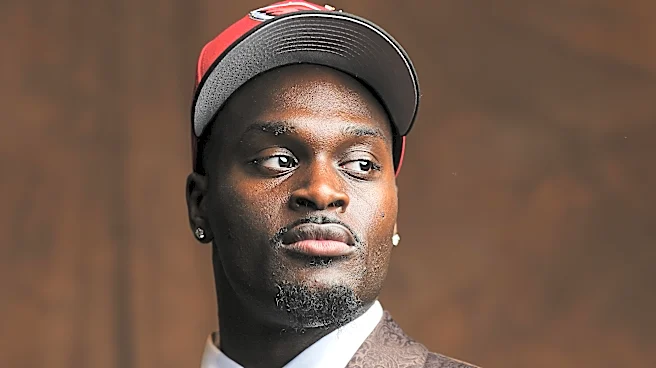
Jeremiyah Love, a former Notre Dame star, has signed a record-setting rookie contract with the Arizona Cardinals, valued at $53.02 million over four years, fully guaranteed. Despite the lucrative deal, Love has expressed no immediate plans to spend the money.
He attributes his financial stability to the Name, Image, and Likeness (NIL) era, which has already provided him with substantial earnings. Love intends to save the contract money to build generational wealth for his family, ensuring a better financial future for his descendants. His decision reflects a shift in how elite college athletes manage newfound wealth, influenced by the financial opportunities available through NIL deals.
Why It's Important?
Love's approach to his NFL contract highlights a significant change in the financial landscape for athletes entering professional sports. The NIL era has allowed college athletes to earn money while still in school, reducing the immediate financial pressure upon turning professional. This shift enables athletes like Love to focus on long-term financial planning rather than immediate consumption. The decision to save and invest rather than spend could set a precedent for future athletes, promoting financial literacy and stability. It also underscores the growing importance of NIL deals in shaping the economic strategies of young athletes, potentially influencing how professional sports contracts are negotiated and perceived.
What's Next?
As Love embarks on his NFL career, his financial strategy may inspire other athletes to adopt similar approaches. The Arizona Cardinals will likely benefit from his focus and discipline, both on and off the field. Love's performance in the NFL will be closely watched, given his impressive college career and the expectations set by his contract. His success could further validate the importance of financial planning for athletes, encouraging sports organizations and educational institutions to provide more resources and support in this area. Additionally, the impact of NIL on professional sports contracts may continue to evolve, potentially leading to new norms in athlete compensation and financial management.
Beyond the Headlines
Love's decision to prioritize financial security over immediate spending raises broader questions about the role of financial education in sports. As athletes increasingly enter professional leagues with substantial earnings from NIL deals, the need for comprehensive financial literacy programs becomes more apparent. This development could lead to a cultural shift within sports, where financial acumen is as valued as athletic prowess. Moreover, Love's approach may influence how future contracts are structured, with an emphasis on long-term benefits rather than short-term gains. This trend could also impact how fans and the media perceive athletes' financial decisions, fostering a more nuanced understanding of the challenges and opportunities they face.