

What's Happening?
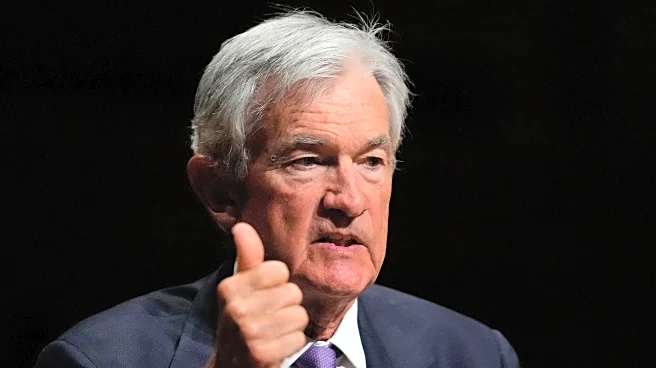
Federal Reserve Chair Jerome Powell is set to speak at Harvard University, addressing the complex issue of how the central bank should respond to simultaneous inflation and economic slowdown, a situation exacerbated by the ongoing conflict in Iran. The
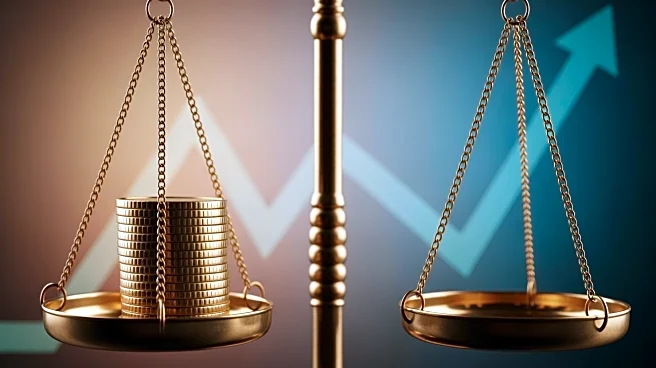
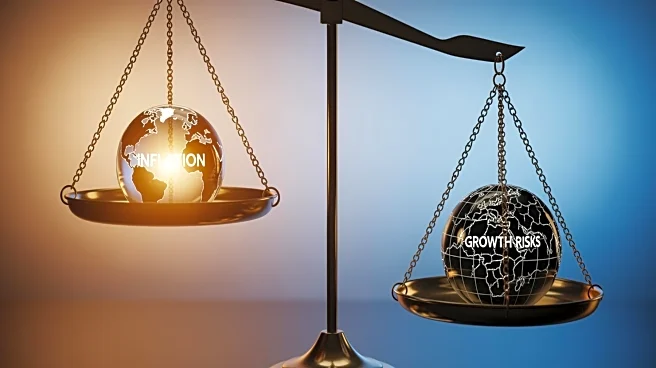
war has led to a significant rise in U.S. gasoline prices, now around $4 per gallon. Recently, the Federal Reserve decided to maintain short-term interest rates between 3.50% and 3.75%. However, the conflict has heightened inflation concerns, causing Treasury yields to rise and increasing household price expectations, as indicated by a University of Michigan survey. The Fed faces a dilemma: raising rates could curb inflation but risk slowing the economy and increasing unemployment, while keeping rates steady might allow inflation to rise unchecked.
Why It's Important?
The Federal Reserve's decisions on interest rates are crucial as they directly impact the U.S. economy, influencing everything from consumer spending to business investment. The current situation presents a challenging trade-off between controlling inflation and supporting employment. With inflation running above the Fed's 2% target for several years, the central bank is under pressure to act decisively. The outcome of Powell's deliberations could affect financial markets, consumer confidence, and economic growth. Businesses and consumers alike are watching closely, as rising prices could alter spending behaviors and investment decisions, potentially leading to broader economic implications.
What's Next?
As the situation develops, the Federal Reserve will continue to monitor economic indicators closely. Powell's upcoming speech may provide insights into the Fed's priorities, whether it leans towards combating inflation or supporting employment. Financial markets are currently pricing in a potential rate hike by the end of the year, reflecting the uncertainty and the Fed's need to remain flexible. Stakeholders, including businesses and policymakers, will be keenly observing the Fed's next moves, as these decisions will have significant ramifications for the U.S. economy.