
What's Happening?
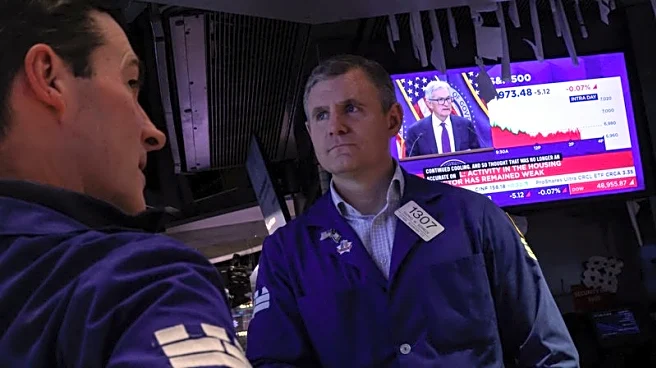
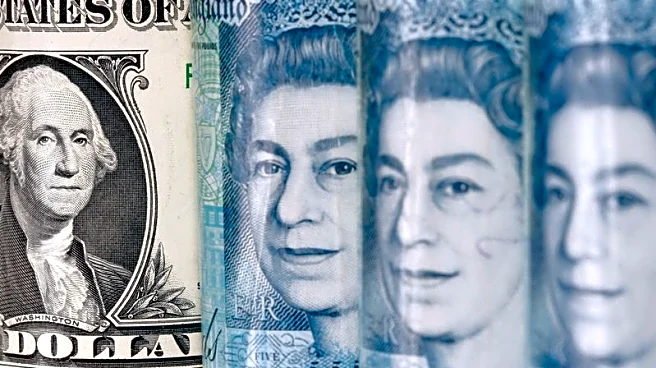
The U.S. dollar maintained its gains as investors speculated on the potential impact of Kevin Warsh leading the Federal Reserve. Warsh, nominated by President Trump, is perceived as less inclined to implement rapid rate cuts compared to other candidates. This perception has influenced market dynamics, with the dollar rallying and commodity-linked currencies experiencing pressure due to falling precious metals and oil prices. The anticipation of Warsh's leadership comes amid a week filled with central bank meetings and significant economic data releases. The market is currently pricing in two potential Federal Reserve rate cuts for the year, with the first move expected in June, contingent on Warsh's confirmation by the Senate.
Why It's Important?
The nomination
of Kevin Warsh as the potential Federal Reserve Chair is significant for financial markets, as it suggests a shift in monetary policy direction. Warsh's reputation as an inflation hawk implies a more cautious approach to rate cuts, which could stabilize the dollar but also impact global commodity markets. This development is crucial for investors and businesses that rely on stable currency and interest rate environments. The decision could affect international trade dynamics, particularly with countries like Japan, where currency valuation is a critical economic factor. The broader implications for U.S. economic policy and global financial stability are substantial, as the Federal Reserve's actions influence global economic conditions.
What's Next?
If confirmed, Kevin Warsh's leadership at the Federal Reserve could lead to a more conservative monetary policy, potentially delaying rate cuts. This approach may stabilize the dollar but could also slow economic growth if inflation concerns are prioritized over economic expansion. Financial markets will closely monitor the Senate's confirmation process and any policy signals from Warsh. Additionally, central banks in Europe and the UK are expected to maintain their current policy rates, which could further influence global economic conditions. Stakeholders, including businesses and investors, will need to adapt to potential changes in interest rates and currency valuations.