




What's Happening?
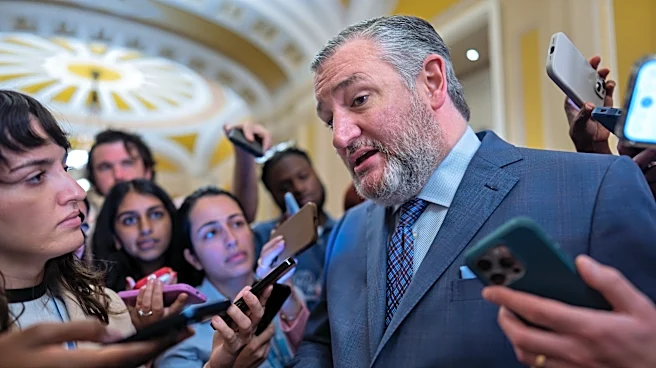
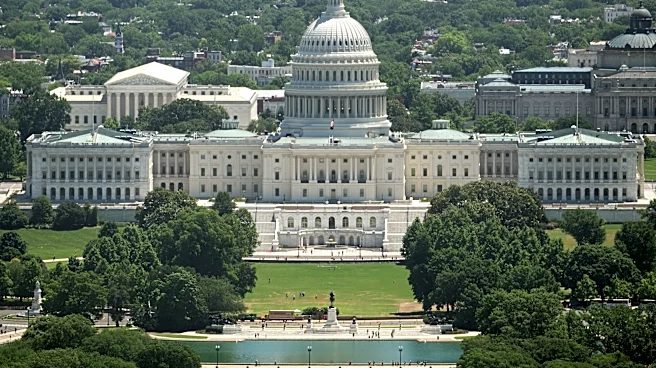
Nick Saban, a current ESPN analyst and former Alabama head coach, appeared before the Senate Commerce Committee to support the bipartisan 'Protect College Sports Act.' During the hearing, Saban discussed the case of Ole Miss quarterback Trinidad Chambliss,
whose eligibility was initially denied by the NCAA. Chambliss successfully sued for a temporary injunction, allowing him to play in the 2026 season. Saban criticized the NCAA's lack of rule-making authority, using Chambliss's case as an example. He also addressed issues related to player transfers and financial incentives, citing the case of Ole Miss linebacker Luke Ferrelli, who transferred from Cal to Clemson and then to Ole Miss, amid allegations of tampering by Clemson's head coach, Dabo Swinney. Saban emphasized the need for consistent rules regarding name, image, and likeness (NIL) to prevent financial motivations from dominating college sports.
Why It's Important?
The 'Protect College Sports Act' aims to create a standardized framework for NIL rules, which could significantly impact college athletics by providing clear guidelines for athlete compensation. This legislation is crucial as it addresses the growing concern over the influence of money in college sports, particularly with the transfer portal and NIL deals. The act seeks to prevent a 'bidding war' for players, ensuring that college sports remain competitive and fair. Stakeholders such as universities, athletes, and coaches could benefit from a more structured environment, reducing the potential for legal disputes and ensuring that athletes are compensated fairly without compromising the integrity of college sports.
What's Next?
If the 'Protect College Sports Act' is passed, it could lead to significant changes in how college athletes are compensated and how transfers are managed. The NCAA and universities will need to adapt to new regulations, potentially reshaping recruitment strategies and financial planning. Coaches and athletic programs may need to focus more on compliance and transparency to align with the new standards. The act could also prompt further discussions on the balance between amateurism and professionalism in college sports, influencing future legislative efforts.