
What's Happening?
Douglas W. Tallamy's book, 'Nature’s Best Hope,' advocates for transforming private yards into a 'homegrown national park' to combat habitat loss. Tallamy emphasizes the importance of native plants in supporting
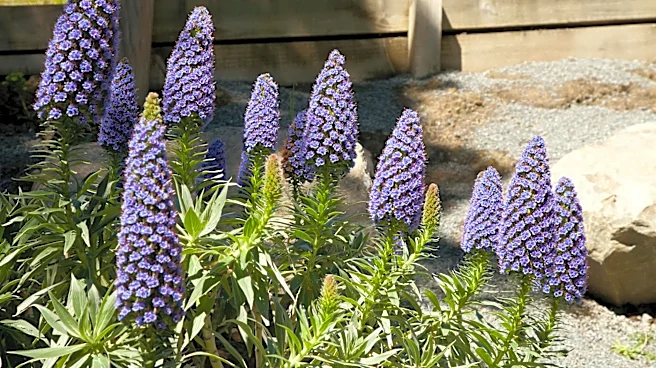
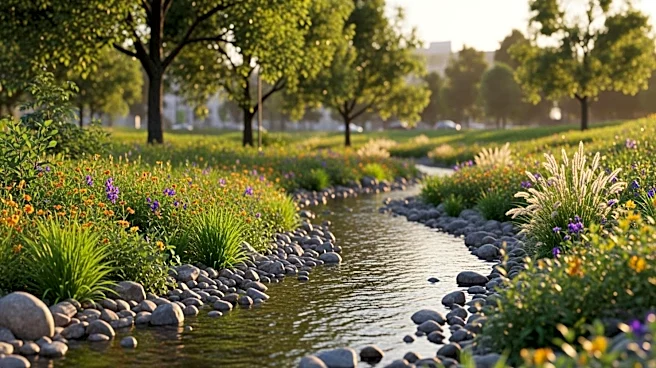
local ecosystems, as many insects rely on specific plants for survival. The book suggests reducing lawn areas, using native plants, and minimizing outdoor lighting to protect nocturnal pollinators. By prioritizing keystone plants like oaks and willows, homeowners can significantly boost local biodiversity. This approach redefines traditional gardening, focusing on ecological value rather than aesthetics.
Why It's Important?
Tallamy's proposal addresses the critical issue of biodiversity loss due to urbanization and non-native landscaping. By encouraging native gardening, individuals can play a significant role in environmental conservation, creating habitats that support insects, birds, and other wildlife. This shift in gardening practices could lead to widespread ecological benefits, including improved pollination, pest control, and soil health. As private land constitutes a large portion of the US, this grassroots movement has the potential to create a substantial impact on national biodiversity and environmental resilience.
What's Next?
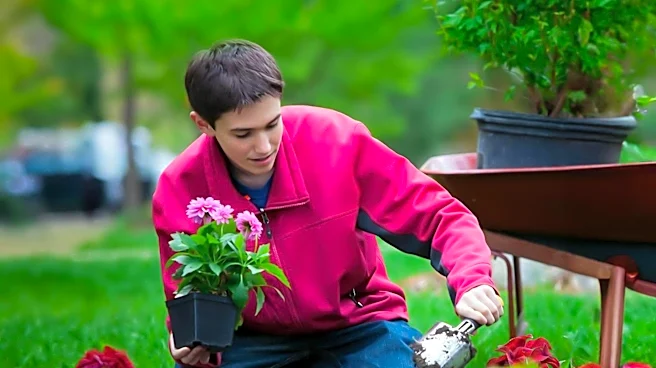
The adoption of native gardening practices could lead to increased awareness and education about local ecosystems and the importance of biodiversity. Community initiatives and government programs may emerge to support homeowners in transitioning to native landscapes. Additionally, the gardening industry might see a shift in demand towards native plants and sustainable landscaping products. As more people embrace this approach, the cumulative effect could contribute to reversing habitat loss and promoting environmental sustainability on a larger scale.