



What's Happening?
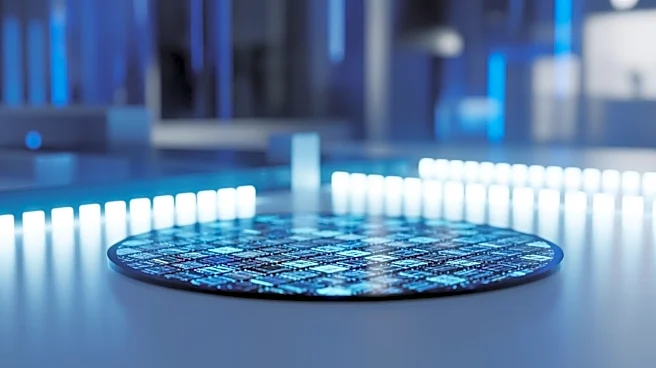
Intel has partnered with Elon Musk's Terafab project, which includes SpaceX, xAI, and Tesla, to advance silicon fabrication technology. The initiative aims to produce 1 terawatt per year of compute power to support advancements in AI and robotics. Intel will
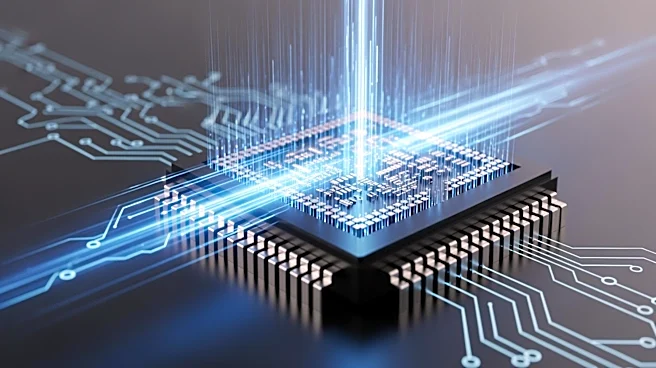
contribute its expertise in chip design, fabrication, and packaging. The project focuses on developing chips for AI processors, satellites, space data centers, autonomous vehicles, and robots. Intel's involvement was confirmed through social media posts, highlighting its role in accelerating the project's goals. The partnership aligns with efforts to establish a Tesla facility in Austin and may involve licensing processes like 18A.
Why It's Important?
This partnership is significant for Intel as it enhances its foundry business amidst competitive pressures in semiconductor manufacturing. By collaborating with Musk's companies, Intel gains access to high-volume AI compute demands, potentially stabilizing revenue streams through long-term production contracts. The initiative's focus on refactoring fab technology could leverage Intel's existing infrastructure, reducing the capital intensity of new builds while enhancing its role in AI infrastructure. This move underscores Intel's strategy to diversify beyond consumer PCs into AI and robotics, countering rivals like TSMC. The partnership also highlights shifting dynamics in the chip industry, where hyperscale AI needs drive collaborations between traditional semiconductor firms and tech giants.
What's Next?
Intel's stock saw a positive reaction, increasing more than 3% on the news. Analysts view the deal favorably, considering Intel's foundry ambitions and partnerships for AI chips with other firms. The project's success could position Intel to support Terafab's ambitious 1 TW/year target, though execution risks remain high given the complexity of fab construction and operations. The partnership may lead to further collaborations and innovations in AI and robotics, potentially influencing the broader semiconductor industry.