



What's Happening?
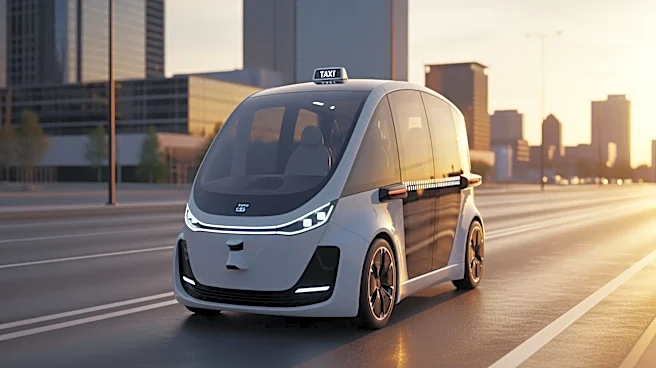
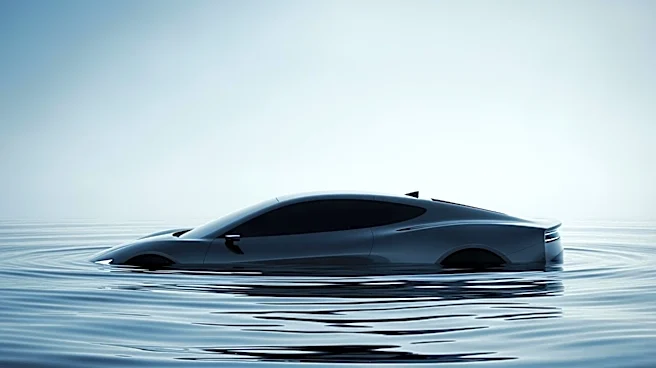
Waymo, a subsidiary of Alphabet, has initiated a recall of 3,800 autonomous taxis following the discovery of a software glitch that allowed the vehicles to drive into standing water. This recall, detailed in a letter on the National Highway Traffic Safety
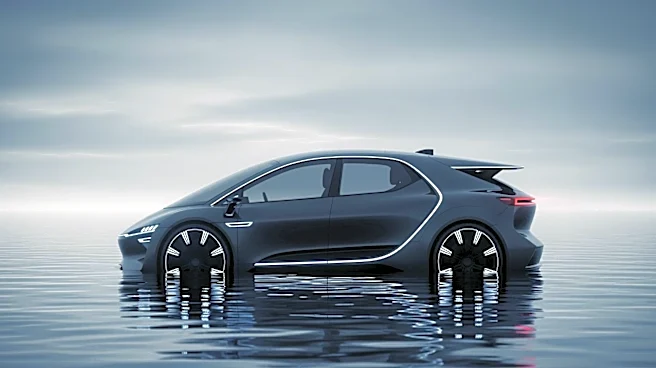
Administration's (NHTSA) website, affects vehicles equipped with Waymo's fifth and sixth generation automated driving systems. The issue came to light after an incident on April 20, when a self-driving car drove into a flooded creek in San Antonio during inclement weather. Fortunately, there were no passengers in the vehicle at the time. Similar incidents were reported in Austin, Texas, where cameras captured autonomous vehicles stopping in flooded streets, causing other motorists to navigate around them. These events have raised concerns about the vehicles' ability to handle adverse weather conditions.
Why It's Important?
The recall of Waymo's autonomous vehicles underscores significant safety concerns in the rapidly evolving field of self-driving technology. As these vehicles become more prevalent, ensuring their ability to safely navigate various environmental conditions is crucial. The incidents highlight potential vulnerabilities in the software systems that could pose risks to public safety, particularly in areas prone to flooding or other natural disasters. This recall may impact public confidence in autonomous vehicles and could influence regulatory scrutiny and future development of self-driving technology. Companies in the autonomous vehicle industry may need to invest more in testing and improving their systems to prevent similar issues.
What's Next?
Waymo has temporarily suspended its robotaxi operations in San Antonio and is working to implement additional software safeguards. The company is refining its operations during extreme weather and limiting access to areas susceptible to flash flooding. These measures are part of a broader effort to enhance the safety and reliability of its autonomous vehicles. As Waymo addresses these issues, it may face increased regulatory oversight and pressure to demonstrate the safety of its technology. The company will likely continue to update its systems and operational protocols to prevent future incidents and restore public trust in its autonomous vehicles.