





What's Happening?
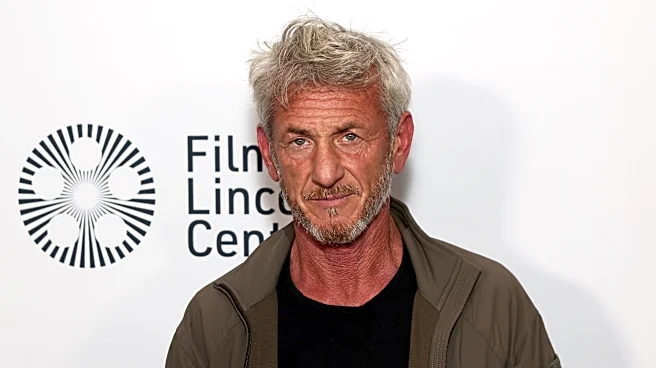
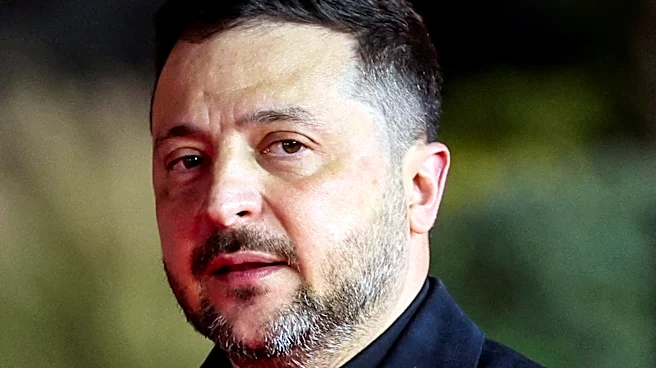
Sean Penn, a three-time Oscar winner, chose to skip the recent Academy Awards ceremony where he won for his role in 'One Battle After Another.' Instead, Penn was in Ukraine meeting with President Volodymyr Zelenskyy. During a conversation at the Tribeca
Festival, Penn explained that he had planned his visit to Ukraine to coincide with the Oscars, as he finds such events socially uncomfortable. Despite his absence, Penn watched the ceremony from Ukraine and expressed that he enjoyed the experience more than attending in person. He shared that the Oscars have always been anxiety-inducing for him, and he preferred to avoid the social interactions and small talk associated with such events.
Why It's Important?
Penn's decision to skip the Oscars highlights a broader conversation about the pressures and expectations placed on celebrities during award seasons. His actions underscore the mental health challenges that can accompany public appearances and the importance of personal well-being over professional obligations. By choosing to be in Ukraine, Penn also draws attention to global issues, using his platform to highlight international concerns. This move may inspire other public figures to prioritize personal values and global awareness over traditional industry norms.
What's Next?
While Penn's absence from the Oscars was understood by his colleagues, it raises questions about how celebrities might approach future award seasons. There could be a shift towards more personalized and meaningful engagements rather than obligatory appearances. Additionally, Penn's visit to Ukraine may lead to further involvement in international humanitarian efforts, potentially influencing other celebrities to engage in similar activities.
Beyond the Headlines
Penn's actions reflect a growing trend among celebrities to use their influence for advocacy and activism. This shift could lead to a reevaluation of the role of public figures in addressing global issues. Furthermore, Penn's candid discussion about his discomfort with large social gatherings may contribute to a broader dialogue about mental health in the entertainment industry, encouraging more open conversations about personal boundaries and self-care.