


What's Happening?
The DIY movement is gaining traction, particularly through platforms like TikTok and Instagram, encouraging individuals to learn analog skills such as sewing and mending. Kristine Frailing, owner and creative director of The New York Sewing Center, highlights
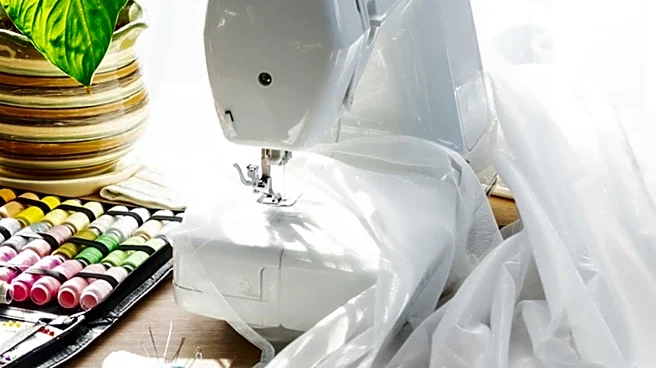
the cost-effectiveness and sustainability awareness driving this trend. Experts have recommended several sewing machines suitable for beginners, including models from Brother and Singer, which offer features like built-in stitch patterns and automatic needle threaders. These machines cater to various needs, from quilting to decorative stitching, and are praised for their durability and user-friendly design. Additionally, sewing kits are available for those not ready to invest in a machine, providing essential tools for basic sewing tasks.
Why It's Important?
The resurgence of interest in sewing reflects broader societal shifts towards sustainability and self-expression. As people become more conscious of sourcing and environmental impact, sewing offers a practical way to upcycle and personalize clothing. This trend also supports the DIY ethos, empowering individuals to create and repair items independently, potentially reducing consumerism and waste. The availability of beginner-friendly sewing machines and kits makes this skill accessible to a wider audience, fostering creativity and skill development. Moreover, the economic implications are significant, as increased demand for sewing products could stimulate growth in related industries, including fabric production and retail.
What's Next?
As the DIY movement continues to grow, it is likely that more individuals will seek out sewing as a hobby or skill. Retailers may respond by expanding their offerings of sewing machines and kits, while educational institutions could incorporate sewing into their curricula to meet rising interest. Additionally, social media platforms may see increased content related to sewing tutorials and projects, further driving engagement and community building among enthusiasts. The trend may also inspire innovations in sewing technology, with manufacturers developing more advanced yet affordable machines to cater to diverse consumer needs.
Beyond the Headlines
The revival of sewing as a popular hobby may have cultural implications, as it encourages a return to traditional crafts and skills that were once commonplace. This shift could lead to a reevaluation of consumer habits, promoting a more mindful approach to fashion and consumption. Ethically, the movement supports sustainable practices by reducing reliance on fast fashion and encouraging the reuse of materials. Long-term, this could contribute to a cultural shift towards valuing craftsmanship and quality over mass-produced goods, potentially influencing broader economic and environmental policies.