



What's Happening?
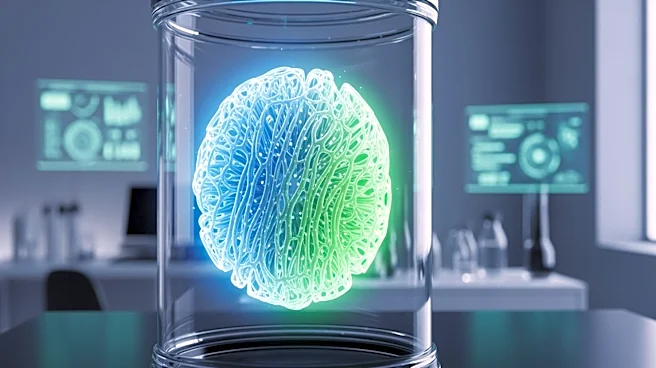
The FDA has approved the first investigational new drug (IND) submission supported solely by human vascularized organoid-based studies, marking a significant shift in drug development. This approval allows SillaJen, a South Korean company, to begin clinical
trials for a combination therapy involving tislelizumab or paclitaxel and BAL0891. The trial represents a move away from traditional animal testing, aligning with the FDA Modernization Act 2.0, which encourages new approach methodologies (NAMs). This development is part of a broader trend in the biopharma industry towards using organoid models for drug discovery and testing, which are expected to significantly grow in market size over the next five years.
Why It's Important?
The FDA's approval of organoid-based drug trials is a pivotal moment for the biopharma industry, potentially reducing reliance on animal testing and accelerating drug development processes. This shift could lead to faster, more ethical, and cost-effective drug discovery, benefiting patients with quicker access to new treatments. The growing use of organoids is expected to triple the market size, indicating substantial economic opportunities for companies specializing in this technology. This change also reflects a broader regulatory and scientific trend towards more humane and efficient research methodologies.
What's Next?
As the regulatory environment continues to evolve, more companies may adopt organoid-based methodologies, leading to increased investment and innovation in this area. The FDA's support for NAMs could encourage further legislative and policy changes to facilitate the transition from animal testing. Biopharma companies might expand their research capabilities and partnerships to leverage organoid technology, potentially leading to new therapeutic discoveries and advancements in personalized medicine.
Beyond the Headlines
The shift towards organoid-based research raises ethical considerations about the future of animal testing in drug development. It also highlights the potential for organoids to provide more accurate human models, improving the predictability of drug responses. This could lead to a paradigm shift in how drugs are developed and tested, with long-term implications for research ethics and scientific innovation.