


What's Happening?
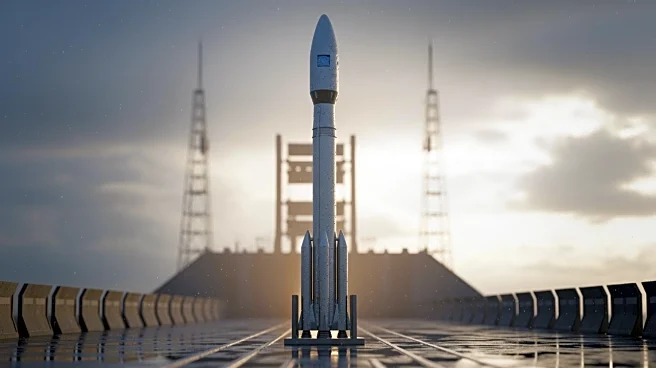
The commercial space station industry is poised for a significant milestone in 2026, with the launch of the first privately owned space stations. Companies like Vast and Sierra Space are leading this new frontier, with Vast planning to launch its Haven-1 station using SpaceX's Falcon 9 rocket. Haven-1 will serve as a test bed for future, more complex stations and is designed to support space tourism and microgravity experiments. Sierra Space is also developing its own space station module, which will be part of the Orbital Reef project. These developments come as NASA and its partners prepare to deorbit the International Space Station by the end of the decade.
Why It's Important?
The emergence of commercial space stations marks a pivotal shift in space exploration,
potentially reducing costs and increasing accessibility to space. This transition from government-led to commercially driven space operations could spur innovation and economic growth, as private companies compete to offer unique services and capabilities. The success of these ventures could lead to a more sustainable presence in space, supporting industries such as pharmaceuticals and materials science. The shift also aligns with NASA's strategy to focus on deep space exploration, leaving low Earth orbit operations to commercial entities.
What's Next?
As the first commercial space stations begin operations, the industry will closely monitor market demand and the ability of these stations to attract a diverse range of customers. The success of these initial ventures will be critical in determining the viability of a commercial space economy. Companies will need to demonstrate the value of their offerings to secure long-term sustainability. Additionally, regulatory frameworks and international cooperation will play a crucial role in supporting the growth of this nascent industry.