




What's Happening?
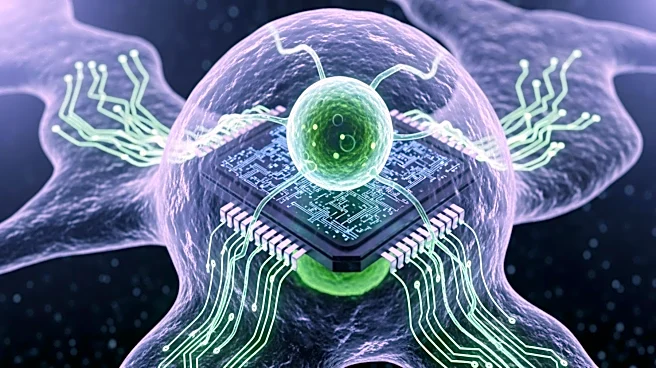
A new technological advancement, BioGPU, is transforming the field of cellular biology by integrating artificial intelligence (AI) with real-time biological data. This innovation allows AI models to interact with cellular biology at scale, providing a dynamic
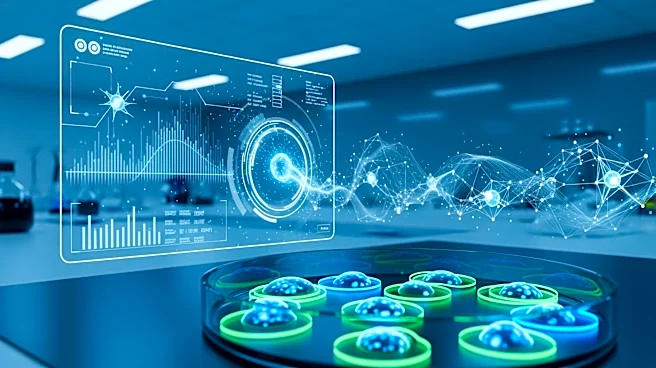
platform for understanding disease mechanisms. BioGPU facilitates high-content, pathway-level imaging, enabling AI to generate and refine disease biology models in real-time. This approach is particularly beneficial for complex diseases like rheumatoid arthritis and ALS, where understanding pathway interactions is crucial. The technology is spearheaded by Anima Biotech, with Yochi Slonim and Dr. Iris Alroy leading the initiative. They aim to resolve target biology and compound mechanisms of action (MOA) by allowing AI to 'chat' with cells, thus advancing drug discovery and development.
Why It's Important?
The integration of AI with cellular biology through BioGPU represents a significant leap forward in biomedical research. By enabling real-time interaction between AI and biological systems, researchers can gain deeper insights into disease mechanisms, potentially leading to more effective treatments. This technology addresses a critical bottleneck in drug discovery, where static data often fails to capture the dynamic nature of cellular processes. By improving the understanding of target biology and MOA, BioGPU could accelerate the development of new therapies, reduce drug development costs, and increase the success rate of clinical trials. This advancement holds promise for improving patient outcomes, particularly in diseases with complex biological underpinnings.
What's Next?
The next steps for BioGPU involve further validation and integration into existing research frameworks. Anima Biotech plans to expand its collaborations with pharmaceutical companies to explore the full potential of this technology in drug discovery. As the technology matures, it could become a standard tool in the development of personalized medicine, allowing for more targeted and effective treatments. Additionally, ongoing research will focus on refining the AI models and expanding their application to a broader range of diseases. The success of BioGPU could inspire similar innovations in other areas of biomedical research, further bridging the gap between AI and biology.