
What's Happening?
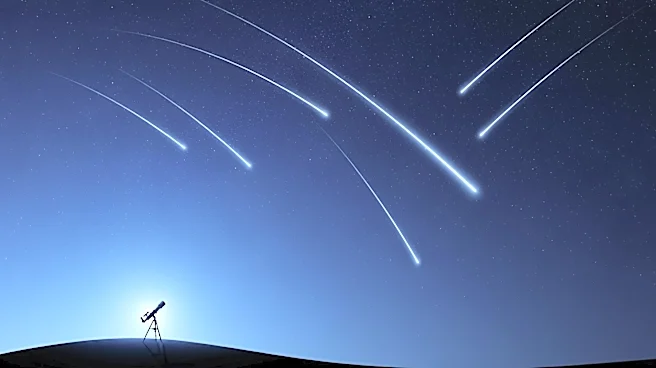
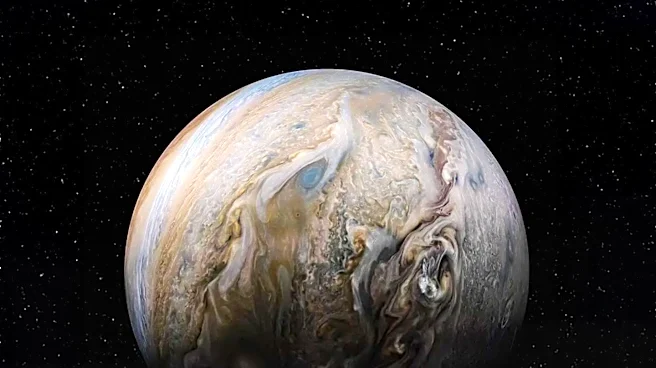
This weekend presents an excellent opportunity for stargazing as the moon reaches its last quarter phase, resulting in dark, moonless night skies. Jupiter and Venus are prominent in the post-sunset sky,
drawing closer together in anticipation of a close conjunction on June 9. The absence of the full Flower Moon enhances visibility of spring constellations such as Ursa Major, Boötes, Cancer, and Leo. Stargazers are encouraged to use the classic navigation technique of star-hopping from the Big Dipper to Arcturus and onward to Spica. The waning crescent moon will also offer views near Saturn and Mars in the coming days.
Why It's Important?
The alignment of Jupiter and Venus is a significant event for astronomy enthusiasts, offering a rare visual spectacle. Such celestial events not only captivate the public's imagination but also promote interest in astronomy and science education. The dark skies provide an ideal setting for observing constellations and planets, fostering a deeper appreciation for the universe. This event also highlights the importance of preserving dark skies, which are increasingly threatened by light pollution, impacting both amateur and professional astronomical observations.
What's Next?
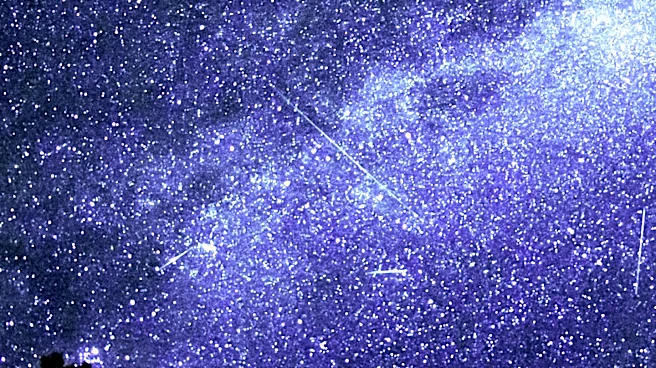
Following this weekend, stargazers can look forward to several notable astronomical events in 2026. A Venus-Jupiter conjunction in June will be visible from North America, while a total solar eclipse in August will pass over Greenland, Iceland, and Spain. The Perseid and Geminid meteor showers will also offer spectacular views later in the year. These events provide ongoing opportunities for public engagement with astronomy and underscore the need for continued efforts to mitigate light pollution.