







What's Happening?
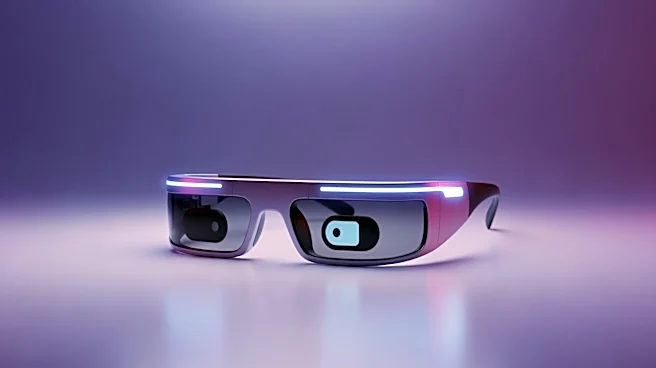
Several major technology companies, including Apple, Snap, and Meta, are making significant moves in the augmented reality (AR) space, with plans to reshape consumer tech choices by 2026. Apple is reportedly testing four smart-glasses designs, aiming
for a 2027 launch, which could bring mainstream styling to AR wearables. Snap plans to launch its consumer Specs in 2026, targeting wider retail distribution. Meanwhile, Meta has made workforce cuts in its Reality Labs, indicating a slowdown in mixed reality (MR) rollouts. These developments suggest a shift towards lighter, camera-forward glasses and more AI-driven features in apps, with a focus on consumer wearables over full mixed-reality screens.
Why It's Important?
The advancements in AR technology by these major companies could significantly impact consumer electronics and the tech industry at large. Apple's focus on mainstream styling for smart glasses could make AR wearables more appealing to the general public, potentially increasing adoption rates. Snap's consumer launch of Specs could test the mass appeal of AR eyewear, influencing future product development and marketing strategies. Meta's workforce adjustments may slow down MR innovations, but could lead to more incremental AR features in everyday devices. These shifts highlight a trend towards integrating AR into consumer products, which could redefine user experiences and drive new market opportunities.
What's Next?
As these companies continue to develop and test their AR products, the tech industry will likely see a gradual rollout of new consumer wearables. Apple's potential launch of smart glasses in 2027 could set a new standard for AR devices, while Snap's Specs launch in 2026 will be a critical test of consumer interest. Meta's strategic focus on immediate products may lead to more accessible AR features in existing devices. The success of these initiatives will depend on consumer acceptance and the ability of these companies to address privacy and usability concerns associated with AR technology.