






What's Happening?
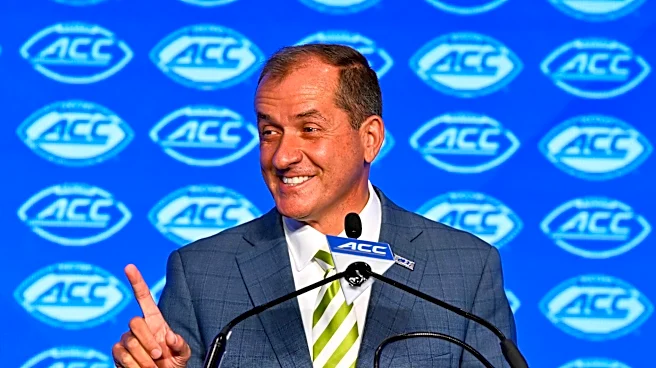
During the ACC's spring meetings in Amelia Island, Florida, a new agreement between Duke University's men's basketball team and Amazon to broadcast three nonconference games was a major topic of discussion. ACC Commissioner Jim Phillips expressed full
support for Duke's innovative approach to generating revenue through this deal. The agreement involves broadcasting games against UConn, Gonzaga, and Michigan on Amazon's Prime Video, marking Amazon's first venture into college basketball broadcasting. While the deal was met with some skepticism from other college administrators due to its potential implications for media rights, Phillips assured that ESPN and the ACC were involved in the discussions and supported the initiative. However, Big Ten Commissioner Tony Petitti raised concerns about Michigan's participation in the deal, suggesting that the Big Ten should receive a share of the revenue. Duke's Athletics Director, Nina King, acknowledged the concerns but noted that Michigan was informed of the plan from the beginning.
Why It's Important?
This development is significant as it represents a shift in how college sports media rights are managed and monetized. By partnering with a major streaming service like Amazon, Duke is setting a precedent that could influence other universities to explore similar deals, potentially altering the landscape of college sports broadcasting. This move could lead to increased revenue opportunities for schools, but it also raises questions about the distribution of media rights and the potential for conflicts between conferences. The involvement of a tech giant like Amazon in college sports broadcasting could also signal a broader trend of digital platforms entering the sports media market, challenging traditional broadcasters like ESPN.
What's Next?
The deal's success could prompt other universities to seek similar agreements, potentially leading to a reevaluation of existing media rights contracts. Conferences may need to address how revenue from such deals is shared, especially when games involve teams from multiple conferences. The response from the Big Ten and other conferences will be crucial in determining the future of such agreements. Additionally, the outcome of Michigan's participation in the deal could set a precedent for how similar situations are handled in the future.