



What's Happening?
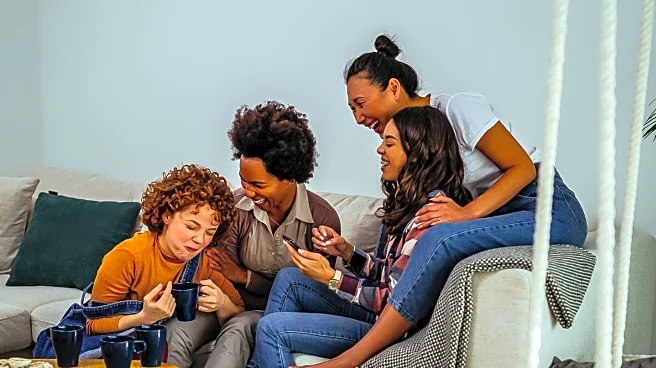
A recent survey conducted by Talker Research on behalf of ButterZero reveals that happy hour traditions are evolving, with a significant number of Americans, particularly Gen Z, preferring at-home happy hours over traditional bar settings. The survey,
which included 2,000 Americans aged 21 and over, found that 60% of respondents view happy hour as more than just an after-work bar routine. Instead, it has become a time to relax, destress, and celebrate everyday wins. Gen Z shows a strong preference for at-home settings, with 39% favoring this option, while millennials and Gen X are more flexible, choosing based on the day of the week. The survey also highlights a growing trend towards non-alcoholic and low-alcohol beverages during happy hours.
Why It's Important?
The shift towards at-home happy hours and the preference for non-alcoholic drinks reflect broader changes in social and drinking habits, particularly among younger generations. This trend could impact the hospitality industry, as bars and restaurants may need to adapt to changing consumer preferences by offering more diverse and inclusive drink options. The rise of non-alcoholic and low-alcohol beverages also presents opportunities for beverage companies to innovate and expand their product lines. Understanding these shifts is crucial for businesses aiming to cater to the evolving tastes and lifestyles of consumers, especially as health and wellness continue to influence purchasing decisions.
What's Next?
As the trend towards at-home happy hours grows, businesses in the beverage and hospitality industries may need to adjust their strategies to remain competitive. This could involve expanding product offerings to include more non-alcoholic and low-alcohol options, as well as creating experiences that can be enjoyed at home. Additionally, marketing efforts may focus on promoting the social and health benefits of these new drinking habits. The continued evolution of happy hour traditions will likely influence how companies engage with consumers and develop products that align with their values and preferences.