





What's Happening?
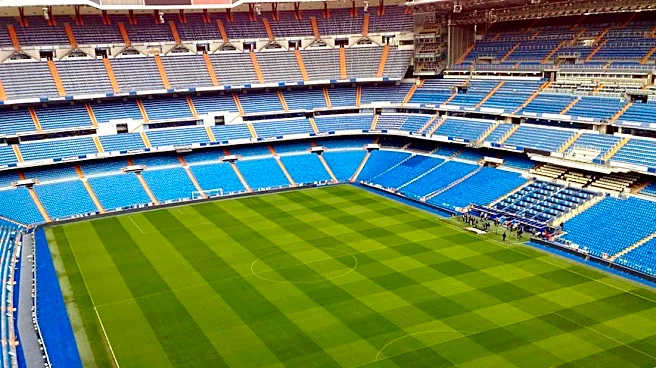
The opening weekend of the 2026 FIFA World Cup has been overshadowed by severe weather warnings issued by the National Weather Service (NWS) and other agencies. The tournament, which began on June 11, features 48 teams and 104 games across the United
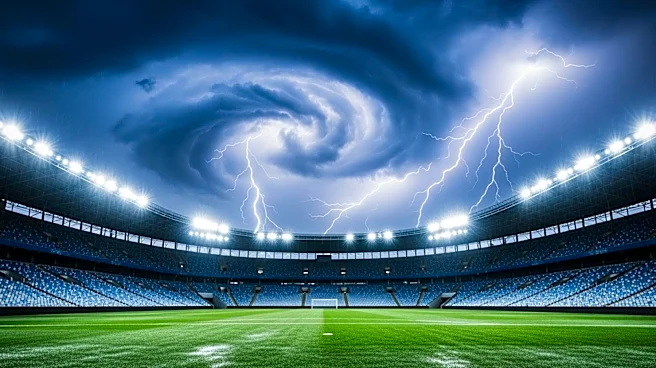
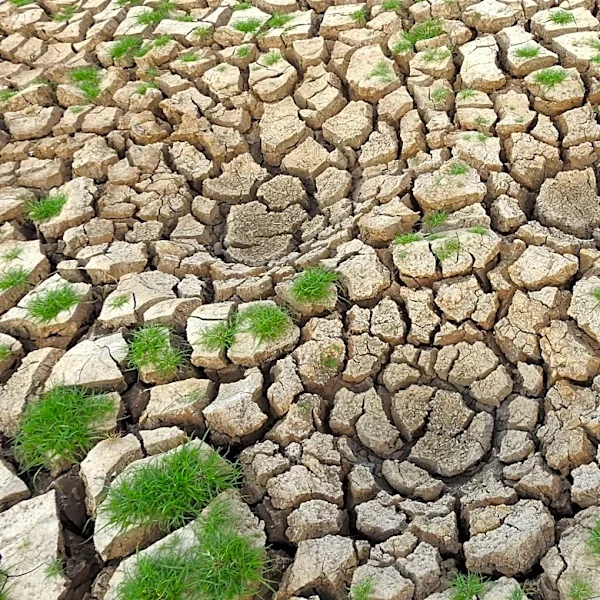
States, Canada, and Mexico. The NWS has released advisories for 'extremely dangerous heat conditions' affecting parts of California, Oregon, and Washington, with temperatures expected to reach up to 110°F. Additionally, the National Oceanic and Atmospheric Administration (NOAA) has mandated that games be halted if lightning is detected within eight miles of a stadium. These warnings have raised concerns for the safety of players, fans, and workers, with some games, such as those in Texas, at heightened risk of dangerous temperatures. FIFA has responded by implementing hydration breaks and clarifying water bottle policies for spectators.
Why It's Important?
The extreme weather conditions pose significant risks to the health and safety of all involved in the World Cup, highlighting the broader implications of climate change on global events. The advisories underscore the need for robust safety measures to protect athletes and spectators from heat-related illnesses and severe weather. The situation also reflects the challenges faced by event organizers in adapting to increasingly unpredictable weather patterns. The economic impact is notable, as disruptions could affect attendance and revenue, while the safety measures may set precedents for future large-scale events. The response from FIFA and other organizations will be closely watched as they navigate these challenges.
What's Next?
Organizers are likely to continue monitoring weather conditions closely, with potential adjustments to game schedules and safety protocols. The enforcement of heat-safety measures by the Occupational Safety and Health Administration (OSHA) may increase, and further advisories from the NWS and NOAA could lead to additional game delays or cancellations. Stakeholders, including FIFA, local authorities, and health experts, will need to collaborate to ensure the safety of all participants. The situation may prompt discussions on the timing and location of future tournaments, considering the growing impact of climate change.