








What's Happening?
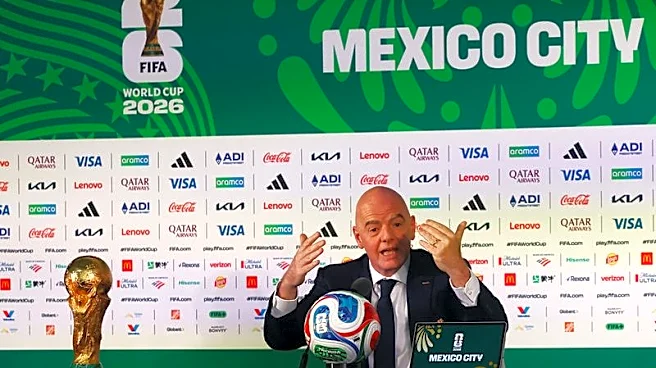
The FIFA World Cup 2026 is currently underway, with matches being held in various locations. However, the scheduling of games has posed challenges for viewers, particularly in the U.S., where some matches are scheduled at inconvenient times, such as 3:00
pm ET on weekdays and midnight on Sundays. This has affected the ability of fans to watch games live, despite the high interest in the tournament. The World Cup remains a significant event, drawing global attention and participation, but the timing of matches has been a point of contention for many fans.
Why It's Important?
The scheduling of World Cup matches is crucial for maximizing viewership and engagement, especially in major markets like the U.S. where soccer is gaining popularity. Inconvenient match times can lead to reduced live viewership, impacting advertising revenues and overall fan engagement. This situation highlights the challenges of organizing a global event that caters to diverse time zones and audiences. The success of the World Cup in terms of viewership and commercial success depends significantly on how well these logistical challenges are managed.
What's Next?
Organizers may need to consider adjusting future match schedules to better accommodate key markets, potentially increasing live viewership and fan engagement. Feedback from this year's tournament could influence scheduling decisions for future international events. Additionally, broadcasters and streaming services might explore innovative solutions to enhance accessibility and convenience for viewers, such as offering more flexible viewing options or on-demand replays.