
What's Happening?
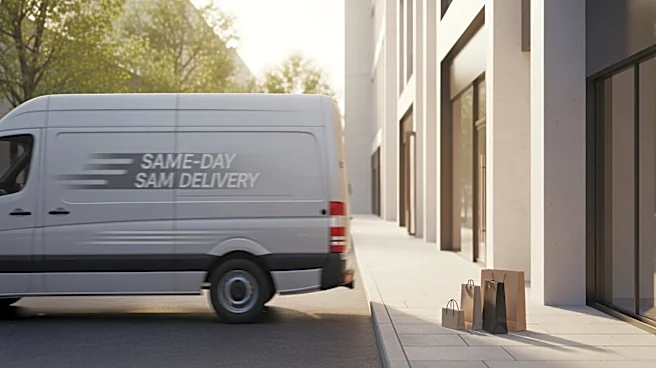
Target has announced an expansion of its Shipt-powered same-day delivery service to more than 100 of its U.S. stores by 2026. This move is part of a broader strategy to address the last-mile delivery challenge,
which is crucial for enhancing customer experience in ecommerce. Shipt, along with services like Amazon Flex and Uber, employs gig-economy workers to provide rapid delivery by picking up packages from retail locations or fulfillment centers and delivering them using personal vehicles. This model allows Target to leverage its network of physical stores, effectively bringing fulfillment closer to customers. By using Shipt, Target can reportedly reduce delivery costs by approximately $2.50 per package compared to national carriers, thanks to fewer handoffs and shorter delivery routes. This initiative is part of a trend where major retailers like Walmart and Amazon are also adopting similar strategies to meet rising consumer expectations for faster delivery.
Why It's Important?
The expansion of Target's Shipt-powered delivery service is significant as it reflects a shift in how retailers are addressing the last-mile delivery challenge, a critical component of the ecommerce experience. By reducing delivery costs and improving speed, Target can enhance customer satisfaction and loyalty, which are vital in a competitive retail landscape. This model also highlights the growing role of gig-economy workers in the delivery sector, offering flexibility but also raising concerns about consistency and reliability. For smaller merchants, the variability in delivery quality can lead to increased support costs and potential damage to brand reputation. As delivery becomes an integral part of the brand experience, retailers must balance cost, speed, and quality to maintain customer trust and satisfaction.
What's Next?
As Target and other major retailers continue to expand their same-day delivery services, the landscape of last-mile delivery is likely to evolve further. Retailers may invest more in technology and infrastructure to streamline operations and improve delivery consistency. Additionally, there may be increased scrutiny on the gig-economy model, with potential regulatory implications to ensure fair labor practices and service quality. Consumers can expect more personalized and efficient delivery options, while smaller merchants may need to adapt by partnering with reliable delivery services or enhancing their own logistics capabilities to compete effectively.