



What's Happening?
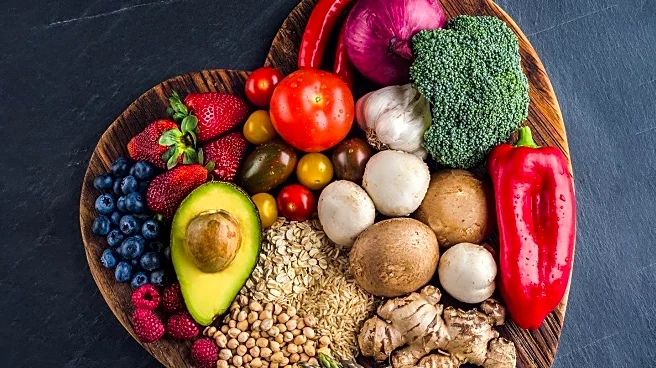
A recent study published in BMC Medicine has found that consuming foods rich in polyphenols, such as berries, coffee, and olive oil, may lead to improved long-term heart health. The research followed over 3,100 adult participants from the TwinsUK cohort for more than a decade. Participants' polyphenol exposure was measured through urine samples, which revealed that higher levels of polyphenol metabolites were associated with reduced cardiovascular risk scores and higher levels of HDL 'good' cholesterol. The study suggests that diets rich in polyphenol-containing foods may be linked with better heart health, although it does not establish a causal relationship. The findings add to the understanding of polyphenols as natural compounds with anti-inflammatory
and antioxidant properties that can improve blood vessel function.
Why It's Important?
Cardiovascular disease is a leading cause of death in the United States, and diet is a significant modifiable factor in heart health. The study's findings highlight the potential of polyphenol-rich foods to contribute to cardiovascular health, offering a dietary approach to managing risk factors such as high blood pressure and cholesterol. This research underscores the importance of dietary choices in public health strategies aimed at reducing the prevalence of heart disease. By promoting the consumption of polyphenol-rich foods, such as fruits, nuts, and certain beverages, individuals may improve their heart health and reduce the risk of cardiovascular diseases.
What's Next?
The researchers plan to conduct a randomized controlled trial to test whether a diet rich in polyphenol-rich foods can directly improve markers of heart health. This future research aims to provide more definitive evidence of the benefits of polyphenols and to develop biomarker-based tools for more accurate dietary assessments. Additionally, further investigation into specific polyphenol-rich foods, such as tea and certain nuts, could identify which are most beneficial for heart health. These efforts could lead to more targeted dietary recommendations and interventions.
Beyond the Headlines
The study's findings also have implications for dietary guidelines and public health policies. Encouraging the consumption of polyphenol-rich foods could become a key component of nutritional advice aimed at preventing heart disease. Moreover, the research highlights the potential for personalized nutrition strategies, where individuals' dietary needs are tailored based on their health status and lifestyle. This approach could enhance the effectiveness of dietary interventions and support long-term health outcomes.