



What's Happening?
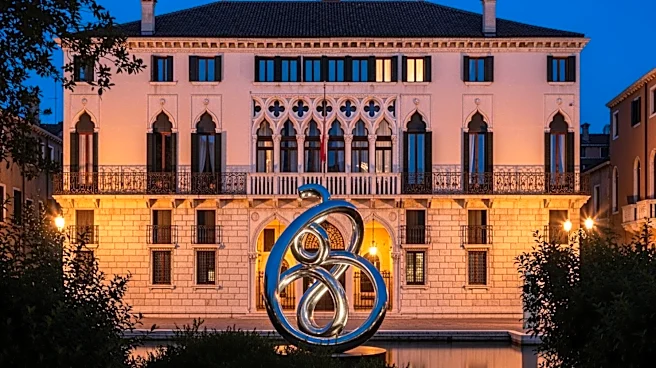
The 2026 Venice Biennale has been marked by significant turmoil and controversy, with numerous countries and artists withdrawing from the event. The exhibition, titled 'In Minor Keys,' was intended to focus on spiritual and physical rest, but has been overshadowed
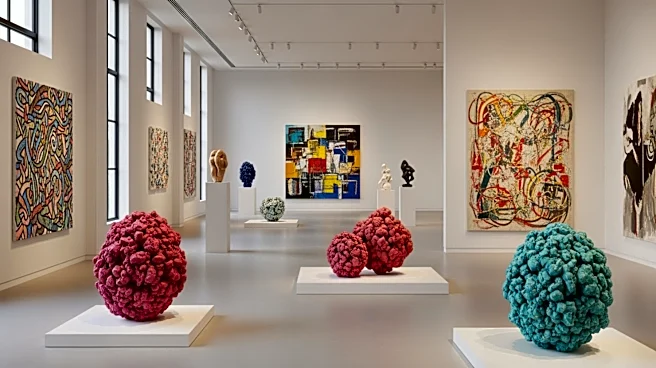
by political protests and logistical challenges. The curator, Koyo Kouoh, passed away before the event, leaving a curatorial team to manage the exhibition. The Biennale has faced criticism for its lack of coherent thematic direction and for failing to address pressing global issues such as war, fascism, and technological impacts. Despite these challenges, the event features notable works from artists around the world, including those from the global south, although the presentation has been described as chaotic and disjointed.
Why It's Important?
The Venice Biennale is one of the most prestigious art exhibitions globally, often reflecting and influencing cultural and political discourse. The controversies surrounding the 2026 edition highlight the complex interplay between art and politics, as well as the challenges of curating a global event in a politically charged environment. The withdrawal of countries and artists underscores the impact of geopolitical tensions on cultural events. Additionally, the Biennale's struggle to address contemporary issues raises questions about the role of art in engaging with societal challenges. The event's ability to navigate these issues could influence future international art exhibitions and their approach to political and social themes.
What's Next?
The aftermath of the 2026 Venice Biennale may prompt a reevaluation of how such events are curated and managed, particularly in politically sensitive contexts. Organizers may need to consider more inclusive and transparent processes to address the concerns of participating countries and artists. The Biennale's future editions could see changes in how themes are selected and how political issues are integrated into the artistic narrative. Additionally, the response from the international art community and stakeholders will likely influence the direction of future exhibitions, potentially leading to more robust discussions on the intersection of art and politics.
Beyond the Headlines
The Venice Biennale's challenges reflect broader cultural and ethical questions about the role of art in society. The event's focus on spiritual and physical rest, amidst global crises, raises debates about the responsibilities of artists and curators in addressing urgent issues. The Biennale's struggles also highlight the difficulties of maintaining artistic integrity while navigating political pressures. This situation may lead to a deeper examination of how art can serve as a platform for dialogue and change, and how cultural institutions can balance artistic expression with social responsibility.