



What's Happening?
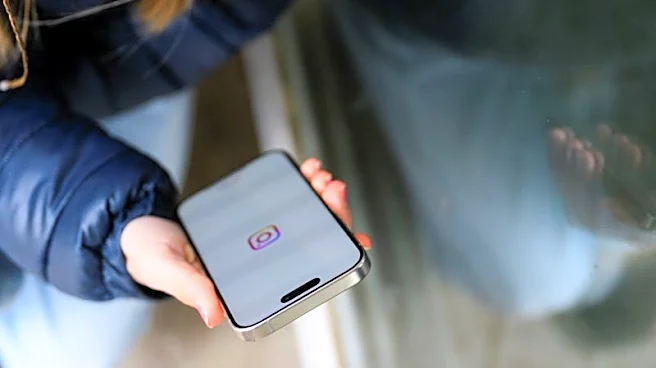
Instagram has announced a crackdown on accounts that predominantly post unoriginal content, extending its originality guidelines beyond Reels to include photo and carousel posts. This move aims to give more credit to original content creators by making
accounts that primarily upload others' work without meaningful creative input ineligible for recommendations. The guidelines specify that simply adding a border or crediting the original creator is insufficient for content to be considered original. Accounts affected by this change can regain eligibility by ensuring most of their recent posts are original within a 30-day period.
Why It's Important?
Instagram's decision to enforce stricter originality guidelines is significant for content creators who rely on the platform for visibility and engagement. By prioritizing original content, Instagram is encouraging creativity and innovation among its users, potentially leading to higher quality content across the platform. This change may impact aggregator accounts that have traditionally relied on reposting content, prompting them to create more original work. For individual creators, the new guidelines could result in increased exposure and recognition, fostering a more diverse and dynamic content ecosystem on Instagram.
What's Next?
As Instagram implements these guidelines, content creators and aggregator accounts will need to adapt their strategies to comply with the new rules. This may involve investing more time and resources into creating original content or collaborating with other creators to produce unique material. Instagram's ongoing testing of premium, paid subscriptions could further incentivize creators to produce high-quality content by offering additional features and monetization opportunities. The platform's focus on originality may also lead to the development of new tools and features that support creative expression and innovation.
Beyond the Headlines
The enforcement of originality guidelines by Instagram highlights broader discussions about intellectual property and content ownership in the digital age. As platforms increasingly prioritize original content, questions about the definition of originality and the protection of creators' rights are likely to arise. This move may also prompt other social media platforms to reevaluate their content policies, potentially leading to industry-wide changes that support and protect original creators. Additionally, the emphasis on originality could influence cultural perceptions of creativity and authenticity in online spaces.