





What's Happening?
The U.S. hotel construction pipeline is experiencing significant growth, as reported by Lodging Econometrics (LE) in their Q1 2026 U.S. Hotel Construction Pipeline Trend Report. At the end of the first quarter, there are 6,020 projects with 705,825 rooms
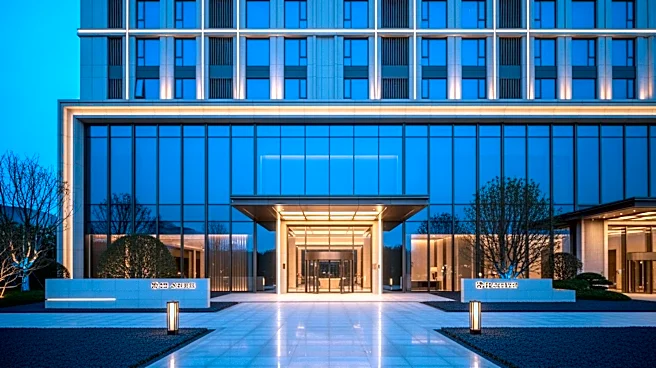
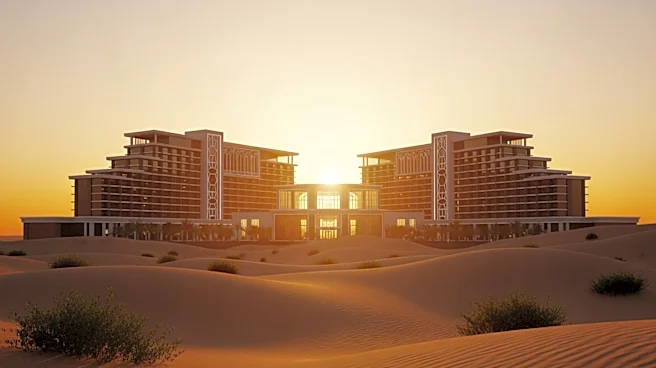
in the pipeline, indicating robust development activity nationwide. Of these, 1,071 projects with 132,016 rooms are currently under construction. Additionally, 2,164 projects with 249,465 rooms are scheduled to begin construction within the next 12 months, while 2,785 projects with 324,344 rooms are in the early planning stages. The luxury segment has reached a record-high project count, with 102 projects and 25,527 rooms, marking a 16% increase in projects and a 23% increase in rooms year-over-year. The top three chain scales—upscale, upper midscale, and midscale—account for 75% of the projects in the pipeline, each expected to achieve their highest new hotel opening totals since 2022.
Why It's Important?
The expansion of the U.S. hotel construction pipeline is a positive indicator for the hospitality industry, suggesting a strong recovery and growth trajectory post-pandemic. The increase in luxury segment projects reflects a rising demand for high-end accommodations, which could boost tourism and travel-related revenues. The anticipated opening of 682 new hotels by the end of 2026, with a 1.4% increase in new hotel supply, is expected to create numerous job opportunities and stimulate local economies. Furthermore, the strong performance in hotel conversions and renovations, with 1,461 projects and 141,971 rooms, highlights the industry's adaptability and resilience. This growth could attract more investment into the sector, enhancing the U.S. hospitality market's competitiveness globally.
What's Next?
Looking ahead, LE analysts forecast the opening of 750 new hotels with 81,199 rooms in 2027, maintaining a 1.4% supply increase. This continued growth suggests sustained investor confidence in the U.S. hospitality market. As the industry expands, stakeholders, including hotel operators, investors, and local governments, will need to address challenges such as labor shortages and supply chain disruptions to capitalize on these opportunities. Additionally, the focus on luxury and upscale segments may lead to increased competition among hotel brands, prompting innovations in service offerings and guest experiences.