



What's Happening?
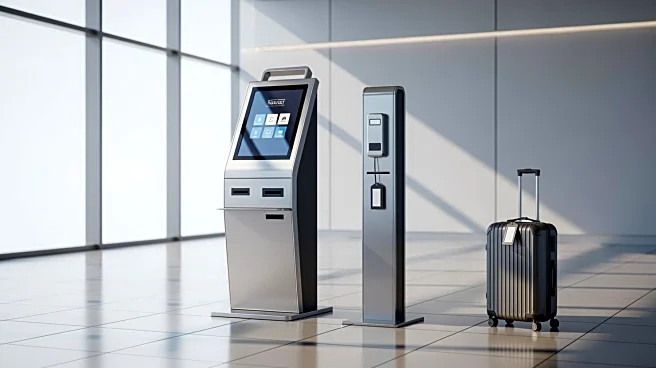
Hawaiian Airlines is implementing a new self-service bag tag system to streamline the lobby experience for its passengers. This initiative involves the installation of modern self-service bag-tag software at kiosks across its five airports in Hawai‘i,
with plans to extend these updates to continental U.S. and international lobbies by mid-April. The new system allows passengers to check in online or via the Hawaiian Airlines mobile app up to 24 hours before departure, pre-pay for checked baggage, and download their boarding passes. Upon arrival at the airport, passengers can use the bag tag stations to scan their boarding passes and print bag tags, significantly reducing the need for interaction with agents and minimizing paper waste.
Why It's Important?
The introduction of self-service bag tag stations by Hawaiian Airlines is a significant step towards enhancing customer convenience and operational efficiency. By reducing the need for passengers to interact with agents, the airline can streamline the check-in process, potentially reducing wait times and improving the overall travel experience. This move also aligns with broader industry trends towards digitalization and self-service, which can lead to cost savings for airlines and a more seamless experience for travelers. Additionally, the reduction in paper waste supports environmental sustainability efforts, which are increasingly important to both consumers and companies.
What's Next?
As Hawaiian Airlines rolls out these self-service bag tag stations, it is likely that other airlines may follow suit, adopting similar technologies to improve their own customer experiences. The success of this initiative could lead to further innovations in airport technology, such as enhanced mobile app functionalities and more integrated digital services. Passengers can expect a more tech-driven travel experience, with increased emphasis on self-service and digital solutions. The airline industry may also see a shift in resource allocation, with more focus on technology development and less on traditional customer service roles.