



What's Happening?
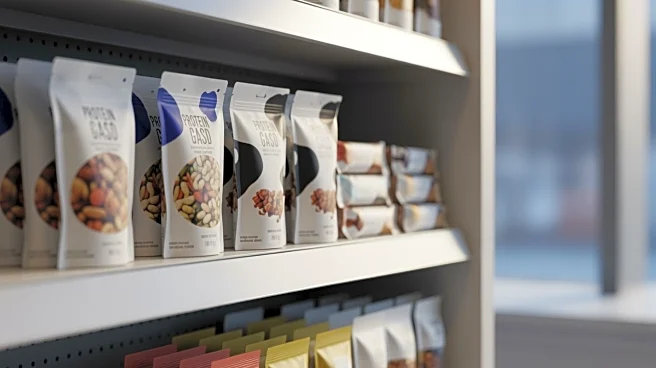
Convenience stores across the United States are adapting to a growing consumer demand for protein-rich foods, a trend significantly influenced by the popularity of GLP-1 drugs. According to Cargill's 2025 Protein Profile, 61% of consumers increased their protein intake in 2024, up from 48% in 2019. This shift has prompted convenience stores to highlight protein content in their offerings. For instance, Southwest Georgia Oil Co.'s SunStop stores have strategically labeled their food items with protein content, promoting GLP-1-friendly foods. Similarly, Weigel's in Tennessee has started indicating protein amounts on their roller-grill products. These efforts are part of a broader strategy to cater to health-conscious consumers seeking protein-rich diets.
Why It's Important?
The increased focus on protein-rich diets reflects a significant shift in consumer behavior, driven by health trends and the influence of GLP-1 drugs. This trend presents an opportunity for convenience stores to boost sales by aligning their product offerings with consumer preferences. By emphasizing protein content, stores can attract health-conscious customers and differentiate themselves in a competitive market. This shift also highlights the growing importance of health and wellness in consumer decision-making, potentially influencing foodservice and retail strategies across the industry. As more consumers prioritize protein intake, businesses that adapt to these preferences may see increased customer loyalty and sales growth.
What's Next?
As the demand for protein-rich foods continues to rise, convenience stores are likely to expand their offerings and further integrate health-focused strategies into their business models. This could involve developing new products, enhancing marketing efforts, and collaborating with suppliers to ensure a steady supply of high-protein items. Additionally, other sectors within the food industry may follow suit, leading to broader changes in product development and marketing strategies. Stakeholders, including food manufacturers and retailers, will need to monitor consumer trends closely and adapt to maintain competitiveness in the evolving market landscape.