



What's Happening?
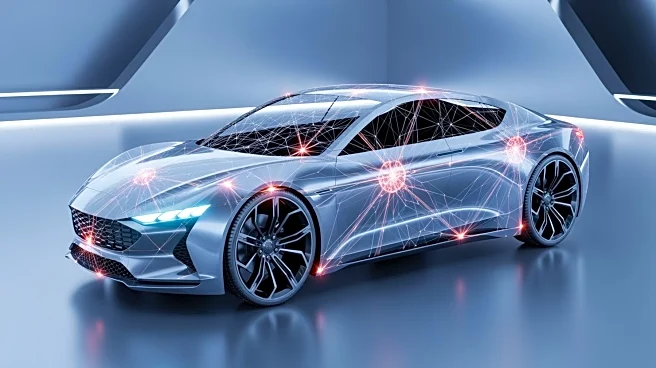
General Motors (GM) is integrating artificial intelligence (AI) into its car design and manufacturing processes, aiming to enhance efficiency and innovation. Bryan Styles, GM's director of design innovation and technology operations, highlights the company's
strategy to leverage AI to disrupt traditional methods and accelerate the development of vehicles. The use of AI allows GM to streamline the design process, reducing the time from concept to market. This technological shift is not intended to replace human creativity but to enhance it, enabling designers to focus on creative aspects while AI handles repetitive tasks. The integration of AI tools, such as Vizcom software, allows designers to quickly transform sketches into animated visualizations, significantly reducing the time and resources required for such tasks.
Why It's Important?
The adoption of AI by GM represents a significant shift in the automotive industry, where traditional design and manufacturing processes are being transformed by technology. This move could set a precedent for other automakers, potentially leading to industry-wide changes in how vehicles are developed. By enhancing efficiency and reducing time-to-market, GM can better compete in a rapidly evolving market. The focus on maintaining human involvement ensures that the creative vision and brand identity remain intact, while AI provides the tools to explore a wider range of design possibilities. This balance between technology and human creativity could lead to more innovative and customer-focused products, ultimately benefiting consumers and the industry as a whole.
What's Next?
As GM continues to integrate AI into its operations, the company may further refine its processes and explore additional applications of AI in other areas of vehicle development and production. The success of this initiative could encourage other automakers to adopt similar strategies, potentially leading to a broader transformation within the industry. Stakeholders, including designers, engineers, and consumers, will likely monitor these developments closely to assess the impact on product quality, innovation, and market competitiveness. GM's approach may also influence regulatory discussions around the use of AI in manufacturing, as the industry seeks to balance technological advancement with safety and ethical considerations.