
What's Happening?
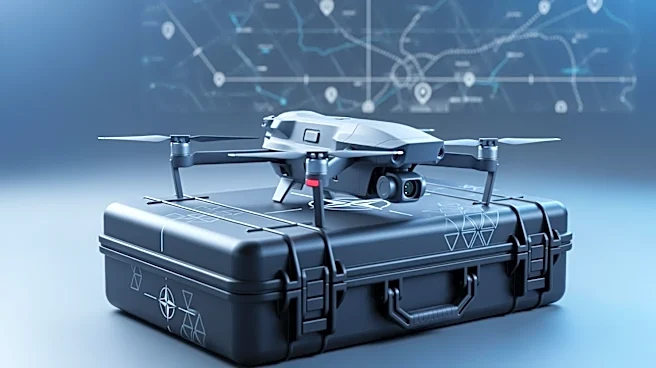
Israeli defense-tech start-up Kela Technology has been recognized as one of the five winners in the Defense Innovation Unit’s (DIU) Drone Dominance Program Lethality Challenge. This challenge focuses on developing
cost-effective, mass-producible lethal payloads for small drones. Kela's systems are designed to be flexible, mobile, and operable by a single soldier, integrating both civilian and military technologies. The DIU announced that winners, including Kela, will receive cash prizes of $10,000 and be featured on a preferred munitions solutions list. The program aims to test the U.S. drone ecosystem's ability to produce low-cost systems at scale to meet military demands. The challenge involves a series of competitions to expand manufacturing capacity and reduce costs, with each phase beginning with a Gauntlet challenge and ending with the delivery and evaluation of small unmanned aerial systems (sUAS).
Why It's Important?
The recognition of Kela in the DIU's challenge highlights the growing importance of integrating advanced drone technologies into U.S. military operations. The ability to produce cost-effective and scalable drone solutions is crucial for maintaining military readiness and technological superiority. This development could significantly impact the defense industry by encouraging innovation and competition among drone manufacturers. The program's focus on rapid-response capabilities and seamless integration with existing military infrastructure underscores the strategic shift towards more agile and adaptable military technologies. The success of such initiatives could lead to enhanced operational efficiency and effectiveness in various military scenarios, potentially reshaping defense strategies and procurement processes.
What's Next?
Following the challenge, the DIU plans to purchase $1 billion worth of small lethal drones over the next two years, indicating a substantial investment in drone technology. This move is expected to stimulate further innovation and production within the drone industry. Companies that did not win in the initial phases may still qualify for future rounds, as additional phases will test different characteristics. The ongoing development and deployment of these technologies will likely attract attention from other defense agencies and international partners, potentially leading to collaborative efforts and expanded markets for drone technologies.