



What's Happening?
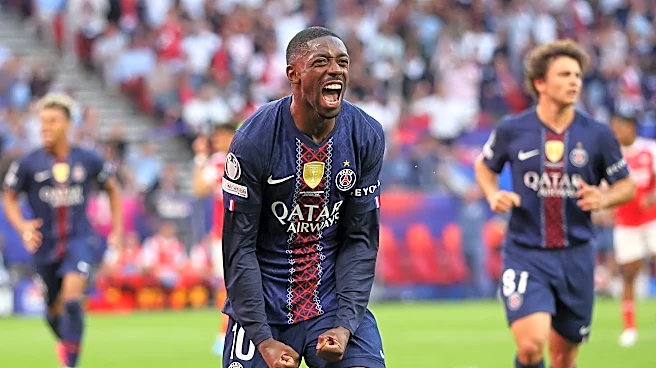
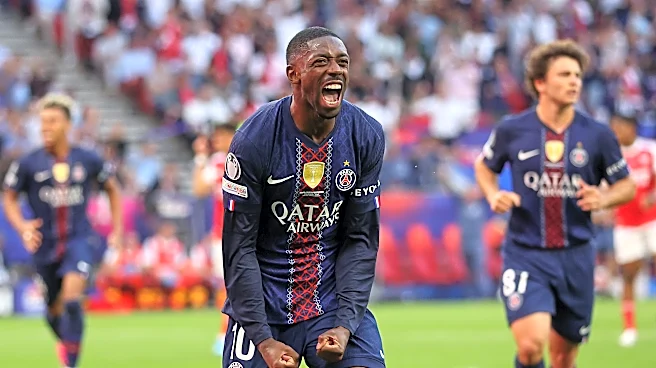
Paris Saint-Germain (PSG) has successfully defended their Champions League title, joining the ranks of Europe's most prestigious clubs. Their victory in the final against Arsenal, decided by penalties, underscores their dominance in European football.
PSG's journey to the title included decisive wins against top teams like Bayern Munich and Liverpool, showcasing their superior quality. Under the guidance of coach Luis Enrique, PSG has developed a formidable squad, blending technical prowess with attacking flair. However, their success raises questions about the impact of their financial power on the competitive balance in French football.
Why It's Important?
PSG's triumph in the Champions League highlights the club's strategic investments and the effectiveness of their management under Luis Enrique. Their ability to retain the title places them among the elite clubs in Europe, enhancing their global reputation. However, the financial disparity between PSG and other French clubs poses challenges to the domestic league's competitiveness. This situation reflects broader concerns about the influence of wealth in shaping football dynamics, potentially affecting the sport's community and cultural values.
Beyond the Headlines
While PSG's success is celebrated, it also prompts discussions about the ethical implications of their financial model. The club's wealth, derived from Qatar Sports Investment, has transformed the landscape of French football, raising concerns about the sustainability of such dominance. The reliance on financial power to achieve sporting success may undermine the traditional values of competition and community engagement in football. As PSG continues to excel, stakeholders must consider the long-term impact of their approach on the sport's integrity and cultural significance.