


What's Happening?
Bill Riley, recognized as the third Black player to join the NHL, passed away at the age of 75. Riley was a significant figure in the hockey world, not only for his achievements on the ice but also for his role as a mentor and leader. He played 139 NHL games
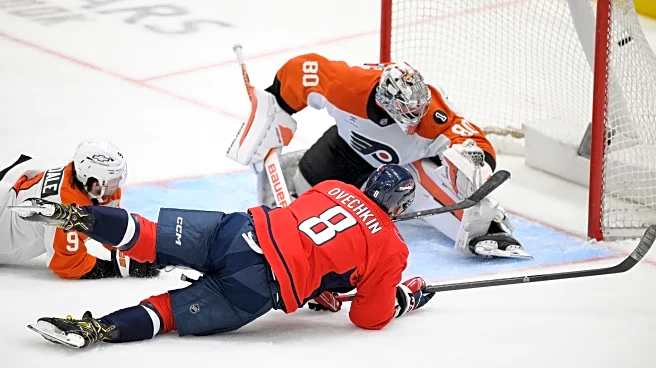
and was one of the first players for the Washington Capitals to wear the number 8, a number later made famous by Alex Ovechkin. Riley's career began in the 1974-75 season with the Capitals, alongside Mike Marson, and he played during a time when racial diversity in the league was minimal. Despite facing racial challenges, Riley's contributions to the sport extended beyond his playing days as he became a coach and general manager in the Quebec Maritimes Junior Hockey League.
Why It's Important?
Riley's legacy is significant in the context of racial diversity and inclusion in professional sports. As one of the early Black players in the NHL, his career helped pave the way for future generations of players from diverse backgrounds. His experiences highlight the challenges faced by minority athletes in predominantly white sports leagues, and his success serves as an inspiration for overcoming racial barriers. Riley's story is a reminder of the progress made in sports regarding diversity and the ongoing need for inclusivity and representation.
What's Next?
The Washington Capitals and the broader hockey community are likely to continue honoring Riley's legacy through tributes and initiatives that promote diversity in the sport. The Capitals have already expressed their condolences and may consider further actions to commemorate his contributions. Additionally, Riley's story may inspire current and future players to advocate for greater inclusivity and support for minority athletes in hockey and other sports.
Beyond the Headlines
Riley's journey underscores the broader cultural and social shifts within professional sports towards greater acceptance and celebration of diversity. His experiences reflect the historical challenges faced by Black athletes and the progress that has been made in creating more inclusive environments. Riley's impact extends beyond the rink, influencing cultural perceptions and encouraging dialogue about race and sports.