






What's Happening?
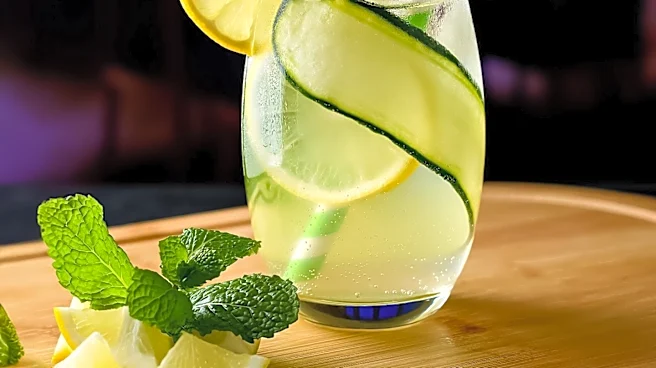
In the Dallas-Fort Worth area, a growing number of young adults are adopting a drinking trend known as 'zebra striping.' This practice involves alternating alcoholic beverages with non-alcoholic drinks, such as water or mocktails, to moderate alcohol consumption
while maintaining social engagement. The trend, which gained momentum in 2025 and 2026, is particularly popular among Generation Z and younger Millennials. Health professionals and bartenders suggest that zebra striping helps individuals pace their drinking, stay hydrated, and potentially reduce the likelihood of hangovers. Public health advocates view it as a harm-reduction strategy that may lower risks associated with excessive alcohol consumption, including dehydration and impaired driving. The trend reflects broader shifts in drinking habits, with many younger adults opting for moderation over complete abstinence. Industry surveys indicate that nearly half of bar and restaurant patrons practice some form of zebra striping.
Why It's Important?
The rise of zebra striping in North Texas highlights a significant shift in drinking culture among younger generations. This trend could have substantial implications for public health, as it promotes moderation and responsible drinking. By reducing alcohol consumption, zebra striping may decrease the incidence of alcohol-related health issues and impaired driving incidents. Additionally, the trend has spurred growth in the non-alcoholic beverage market, with bars and restaurants expanding their offerings to meet demand. This shift could influence the beverage industry, encouraging the development of higher-quality non-alcoholic options. The trend also underscores a broader societal move towards healthier lifestyle choices, as younger consumers seek to balance social activities with well-being.
What's Next?
As zebra striping continues to gain popularity, bars and restaurants in the Dallas-Fort Worth area are likely to further expand their non-alcoholic drink menus. This could lead to increased innovation in the non-alcoholic beverage sector, with more brands and craft brewers introducing alcohol-free alternatives. Public health campaigns may also leverage the trend to promote responsible drinking practices. However, experts caution that while zebra striping can help reduce alcohol consumption, it is not a guaranteed solution for avoiding hangovers. The effectiveness of the practice depends on individual drinking habits and other factors such as sleep and alcohol byproduct accumulation. Continued research and public education will be essential to maximize the benefits of this trend.