






What's Happening?
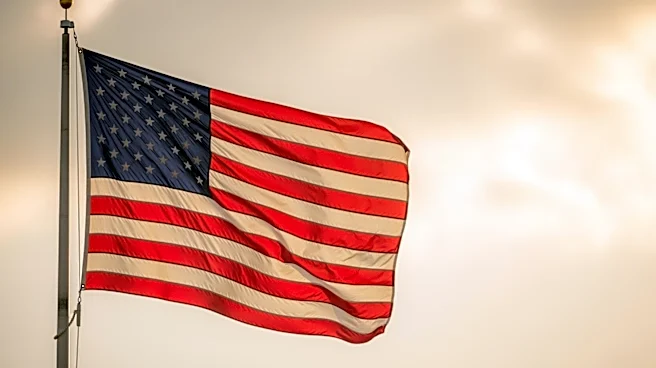
Rick Monday, a former Major League Baseball player, is being honored for his iconic act of saving an American flag from being burned on the field at Dodger Stadium in 1976. This event, which took place during a game between the Chicago Cubs and the Los
Angeles Dodgers, has become a significant moment in sports history. On the 50th anniversary of this act, the Dodgers are set to honor Monday before a game against the Cubs. The flag, which was later presented to Monday by Dodgers general manager Al Campanis, will be displayed at the National Baseball Hall of Fame from Memorial Day weekend through Labor Day weekend. Monday, who served in the Marine Corps reserves, has used the flag to support veterans and their families, though he has never loaned it for a long-term exhibition.
Why It's Important?
The act of saving the flag has resonated deeply with Americans, symbolizing patriotism and unity during a time of national turmoil. In 1976, the United States was grappling with the aftermath of the Vietnam War, the Watergate scandal, and an energy crisis. Monday's spontaneous act of patriotism provided a moment of unity and pride. Today, as the nation faces its own set of challenges, the memory of Monday's action serves as a reminder of core American values such as service and commitment to the greater good. The event has been immortalized in photographs and has been recognized by figures such as President Ford and President George W. Bush, highlighting its lasting impact on American culture and history.
What's Next?
The display of the flag at the National Baseball Hall of Fame is expected to draw attention and visitors, especially as it coincides with America's 250th birthday celebrations. This exhibition may inspire renewed discussions about national unity and the role of sports in reflecting and shaping societal values. The Dodgers' commemoration of Monday's act could also lead to further recognition of similar acts of patriotism and service by athletes and public figures.
Beyond the Headlines
Monday's act of saving the flag is not just a sports story but a cultural touchstone that highlights the power of individual actions to inspire collective national pride. It underscores the role of sports as a platform for broader societal messages and the potential for athletes to influence public sentiment. The enduring legacy of this moment suggests that acts of patriotism can transcend time, continuing to inspire future generations to uphold values of unity and service.