





What's Happening?
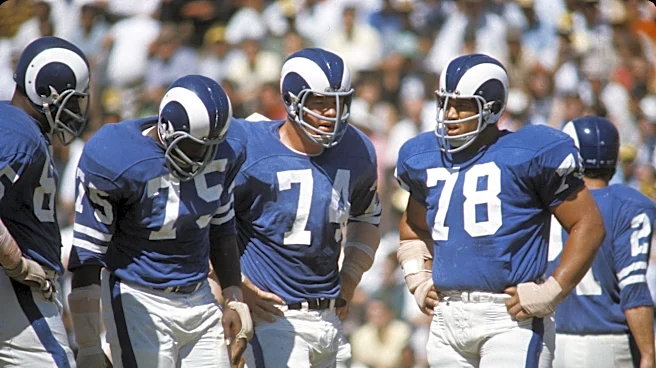
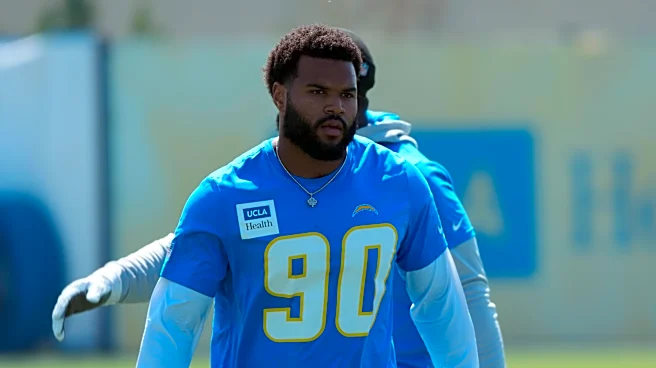
The NFL Players Association (NFLPA) has expressed strong opposition to a proposed change in California's workers' compensation laws that would limit the rights of professional athletes. The proposed legislation, supported by California-based NFL teams
such as the Rams, Chargers, and 49ers, aims to narrow the ability of players to file claims related to long-term, career-related injuries. According to the NFLPA, the bill would impose tighter eligibility criteria for claims, redefine what qualifies as a California-based team, and limit where players can file claims. The bill also applies retroactively to active and pending claims, potentially affecting players who have already filed or are in the process of filing claims. This marks the third attempt to alter California's workers' compensation laws in a way that could disadvantage professional athletes.
Why It's Important?
The proposed changes to California's workers' compensation laws could have significant implications for professional athletes, particularly those in the NFL. By narrowing the scope of claims and imposing stricter eligibility criteria, the legislation could shift the financial burden of injury-related medical costs from teams to players. This could lead to increased out-of-pocket expenses for athletes dealing with career-related injuries. The NFLPA's opposition highlights concerns about the potential erosion of players' rights and benefits, which are currently protected under the Collective Bargaining Agreement. If passed, the bill could set a precedent for similar legislative efforts in other states, potentially affecting the rights of athletes nationwide.
What's Next?
The NFLPA is likely to continue its efforts to oppose the proposed legislation, possibly seeking to secure commitments in future Collective Bargaining Agreements to protect players' rights under workers' compensation laws. The outcome of this legislative effort could influence future negotiations between the NFL and the players' union. Additionally, other professional sports leagues and teams may monitor the situation closely, as the bill's passage could inspire similar legislative initiatives in other states. Stakeholders, including athletes, teams, and legal experts, will likely engage in discussions to address the potential impacts of the proposed changes.