






What's Happening?
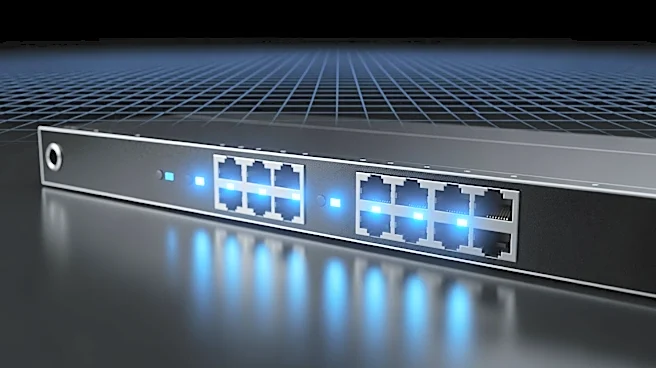
Digi International has introduced the Digi Connect EZ 4 TS and Digi Connect EZ 8 TS, next-generation serial device servers designed to modernize legacy serial infrastructure. These devices offer enhanced security and centralized management without requiring
changes to existing enclosures or wiring. The new servers are part of the Digi Connect EZ platform and provide a transition path for existing ConnectPort TS and PortServer TS deployments. Key features include software-selectable RS-232/422/485 ports, Digi TrustFence security with encryption and VPN support, and centralized management via Digi Remote Manager or On-Prem Manager. These servers are suitable for industrial, energy, manufacturing, and enterprise environments, enabling secure connectivity and management of legacy serial devices over IP.
Why It's Important?
The launch of Digi Connect EZ 4 TS and EZ 8 TS is crucial for industries relying on legacy serial infrastructure, as it provides a secure and efficient way to modernize without replacing existing equipment. This development addresses the gap in serial connectivity, which remains essential in various sectors such as industrial automation, robotics, and retail. By offering enhanced security and remote access capabilities, Digi International's new servers help organizations comply with enterprise security standards and improve operational efficiency. This advancement supports the growing need for secure and reliable connectivity solutions in modern IP networks, facilitating the transition to more advanced and interconnected systems.
What's Next?
As Digi International's new serial device servers become available, organizations are expected to adopt these solutions to enhance their existing infrastructure. The availability of centralized management and remote monitoring capabilities will likely drive increased adoption across industries that require secure and efficient connectivity solutions. Digi International may continue to innovate and expand its product offerings to address the evolving needs of modern IP networks, potentially introducing more advanced features and capabilities in the future. This development could also encourage other companies to invest in similar technologies, further advancing the field of IoT connectivity and secure infrastructure management.