






What's Happening?
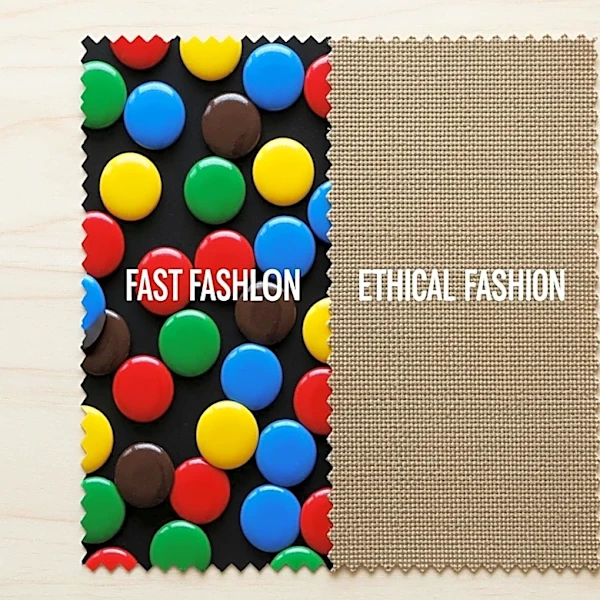
Everlane, a San Francisco-based clothing brand known for its commitment to sustainability, has reportedly been acquired by fast-fashion giant Shein. This acquisition has led to a strong emotional response from Everlane's customer base, who feel betrayed
by the brand's shift away from its sustainable principles. Everlane, which gained popularity for its transparency in pricing and ethical production practices, is now facing criticism for aligning with Shein, a company involved in numerous controversies related to labor rights and environmental impact. The sale, reportedly driven by Everlane's financial struggles, has raised questions about the viability of sustainable fashion in a competitive market.
Why It's Important?
The acquisition highlights the challenges faced by brands attempting to maintain sustainable practices while remaining financially viable. Everlane's shift to Shein, a company with a reputation for fast fashion, underscores the tension between ethical production and profitability in the fashion industry. This development may influence consumer trust in brands that claim to prioritize sustainability, potentially leading to increased scrutiny of corporate practices. The backlash also reflects a broader societal concern about the environmental and social impacts of fast fashion, which could drive demand for more transparent and responsible business models.
What's Next?
In the wake of the acquisition, Everlane may need to address consumer concerns and clarify its future sustainability commitments. The brand's response could influence its reputation and customer loyalty. Additionally, this situation may prompt other fashion brands to reevaluate their sustainability strategies and communication with consumers. As the industry grapples with these challenges, there may be increased pressure for regulatory measures to ensure ethical practices and transparency in fashion production.