







What's Happening?
Para.Mar Dance Theatre, a contemporary dance company, has premiered its new ballet 'Mujeres' at the Logan Center on the University of Chicago's campus. The performance is based on the 1954 poems 'Locas Mujeres' by Chilean poet Gabriela Mistral, the first
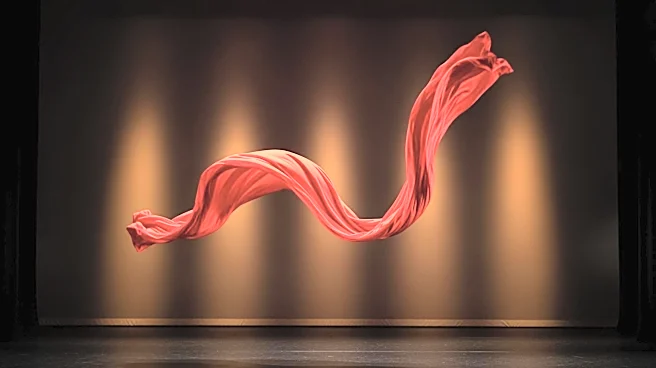
Latin American Nobel laureate in literature. The ballet captures vignettes of women in extremis, exploring themes of identity and womanhood. Choreographed by Stephanie Martinez, 'Mujeres' features a soundscape that includes South American rhythms, Afro-Caribbean flavors, and European classicism, with original compositions by Gigi Dahill-Fachel. The performance is noted for its evocative set design and lighting, which complement the thematic exploration of dualities in identity.
Why It's Important?
The premiere of 'Mujeres' is significant as it showcases the resilience and creativity of the arts community in adapting to post-pandemic realities. Para.Mar Dance Theatre, which began during the pandemic, continues to push boundaries by bringing live performances back to traditional spaces. The ballet not only highlights the stories of women but also reflects broader cultural and historical narratives, offering audiences a rich, immersive experience. This performance underscores the importance of supporting the arts as a means of cultural expression and dialogue, particularly in exploring complex themes such as identity and womanhood.
What's Next?
Following the premiere, Para.Mar Dance Theatre may look to expand the reach of 'Mujeres' through additional performances or tours, potentially bringing the ballet to a wider audience. The success of this performance could lead to further collaborations and commissions for Stephanie Martinez, allowing her to continue exploring and presenting diverse narratives through dance. Additionally, the company might engage in community outreach or educational programs to deepen the impact of their work and foster a greater appreciation for contemporary dance.
Beyond the Headlines
The performance of 'Mujeres' also raises questions about the representation of women in the arts and the role of dance in addressing social issues. By drawing on the works of Gabriela Mistral, the ballet connects historical literary achievements with contemporary artistic expression, highlighting the enduring relevance of women's voices. This intersection of literature and dance offers a unique platform for exploring and challenging societal norms, encouraging audiences to reflect on the complexities of gender and identity.