
What's Happening?
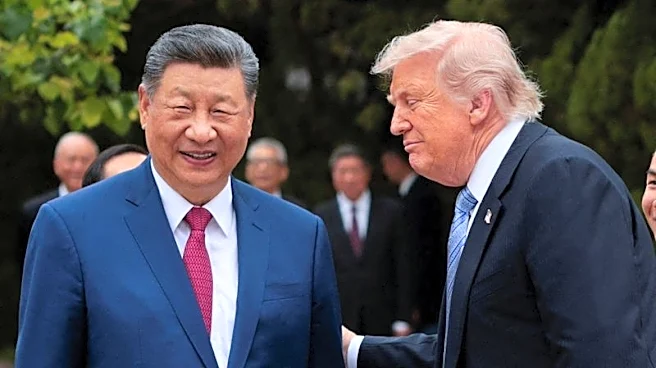
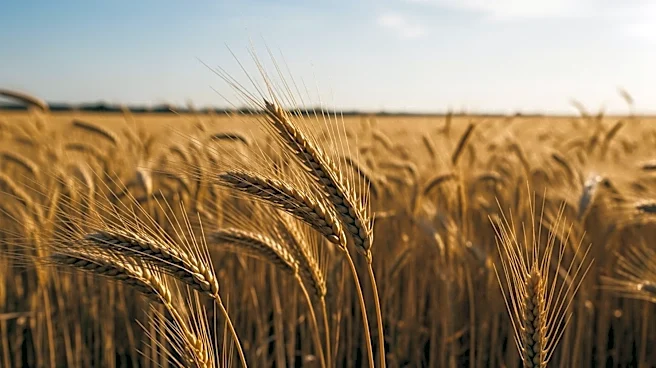
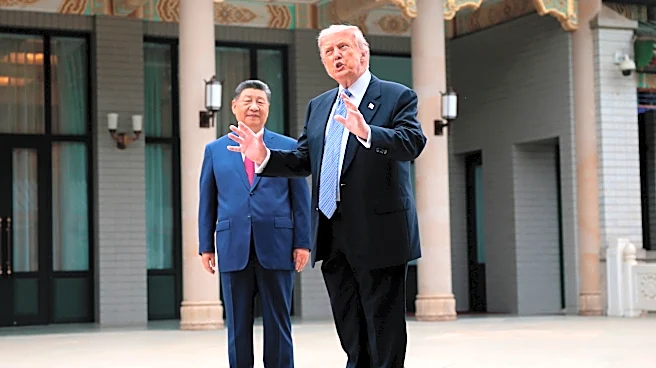
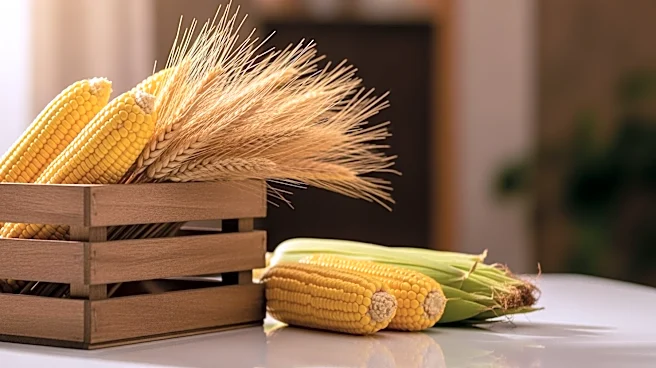
China has committed to purchasing a minimum of $17 billion in U.S. agricultural products annually over the next three years, following discussions between President Trump and Chinese President Xi Jinping.
This agreement, announced by the White House, aims to alleviate the impact of the trade war on American farmers by restoring market access for U.S. beef and resuming poultry imports from states deemed free of bird flu. The deal builds on previous commitments, including soybean purchases, and seeks to address non-tariff barriers and market access issues. The U.S. will work to resolve China's concerns about dairy and seafood exports, while China will address U.S. concerns about beef processing facilities and poultry exports.
Why It's Important?
This agreement is significant as it offers relief to American farmers who have been adversely affected by the trade war, which saw a major export market for soybeans and other products diminish. The trade war had led to a sharp decline in U.S. agricultural exports to China, impacting the livelihoods of farmers. By restoring and expanding trade relations, the agreement could stabilize the agricultural sector and provide economic benefits to U.S. farmers. Additionally, it reflects a step towards resolving broader trade tensions between the two nations, potentially leading to more stable economic relations.
What's Next?
The agreement sets the stage for further negotiations on trade and investment between the U.S. and China. Both countries have agreed to establish boards of trade and investment to manage non-sensitive goods and discuss investment-related issues. These developments could lead to more comprehensive trade agreements and increased economic cooperation. However, the success of these initiatives will depend on the implementation of the agreed terms and the resolution of outstanding trade barriers. The agricultural sector will be closely monitoring the fulfillment of purchase commitments and any further policy changes that could impact trade dynamics.